Industrial Glass Furnace Solutions - High-Efficiency Glass Melting Systems for Manufacturing

All Categories

Get a Free Quote

Our representative will contact you soon.
Email
Name
Company Name
Message
0/1000

industrial glass furnace

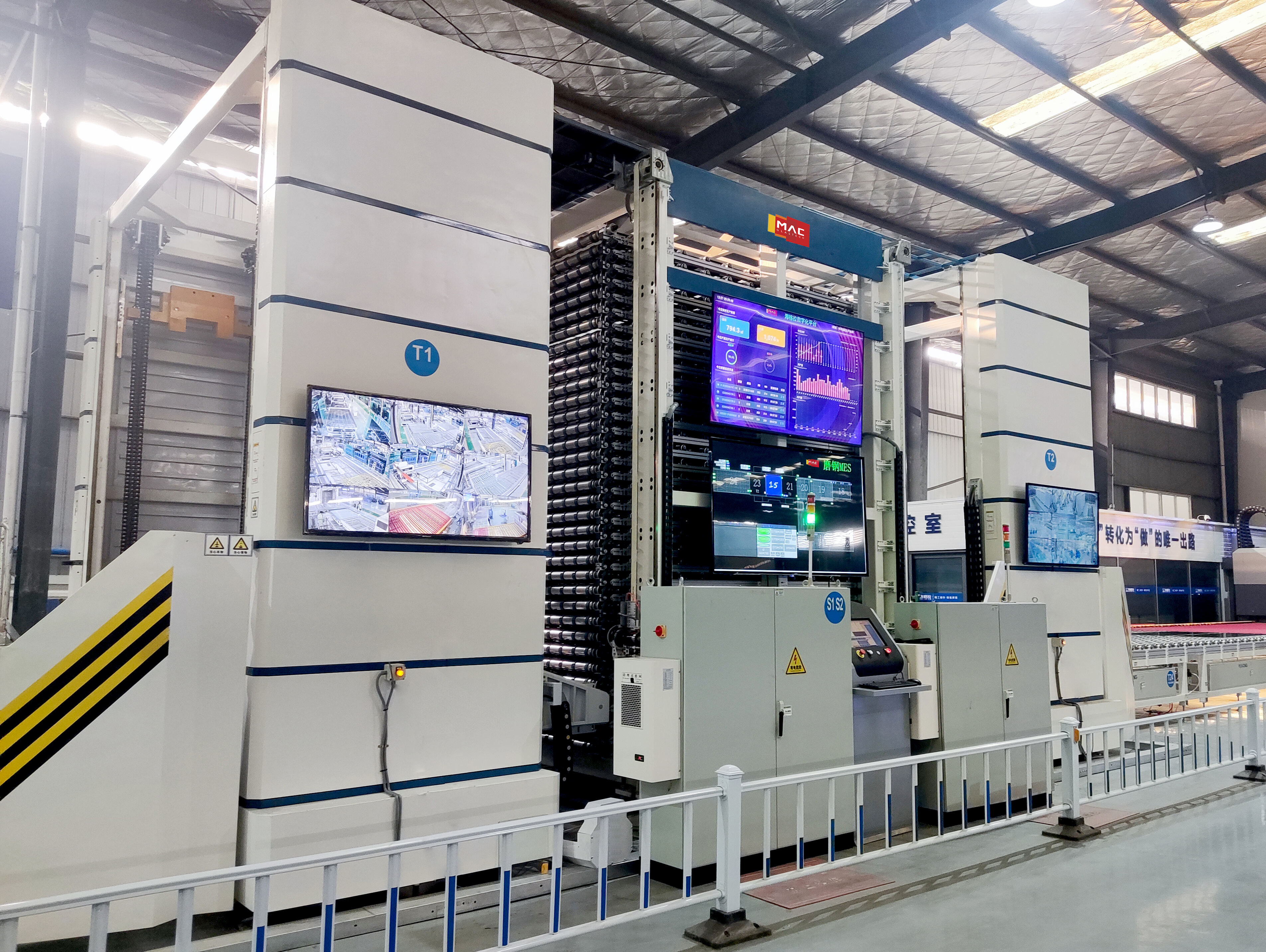
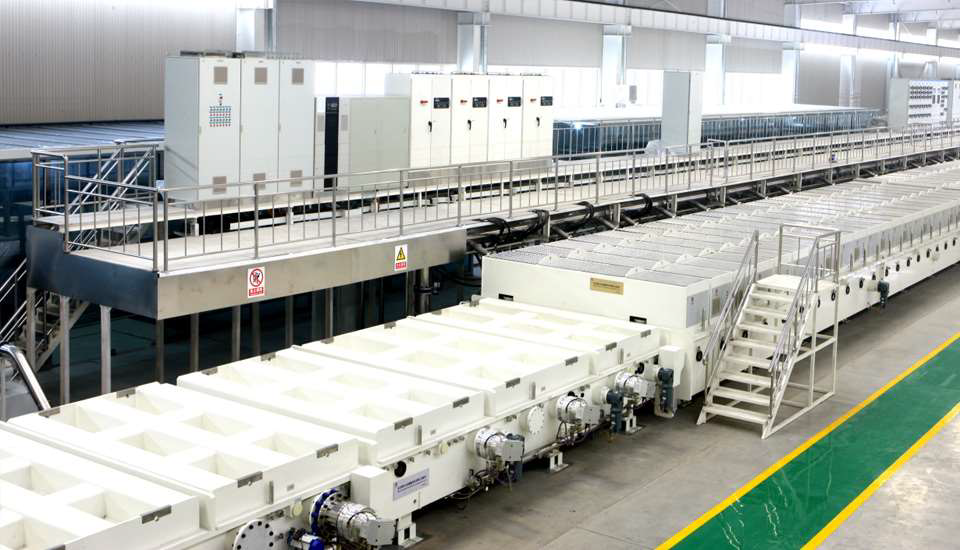
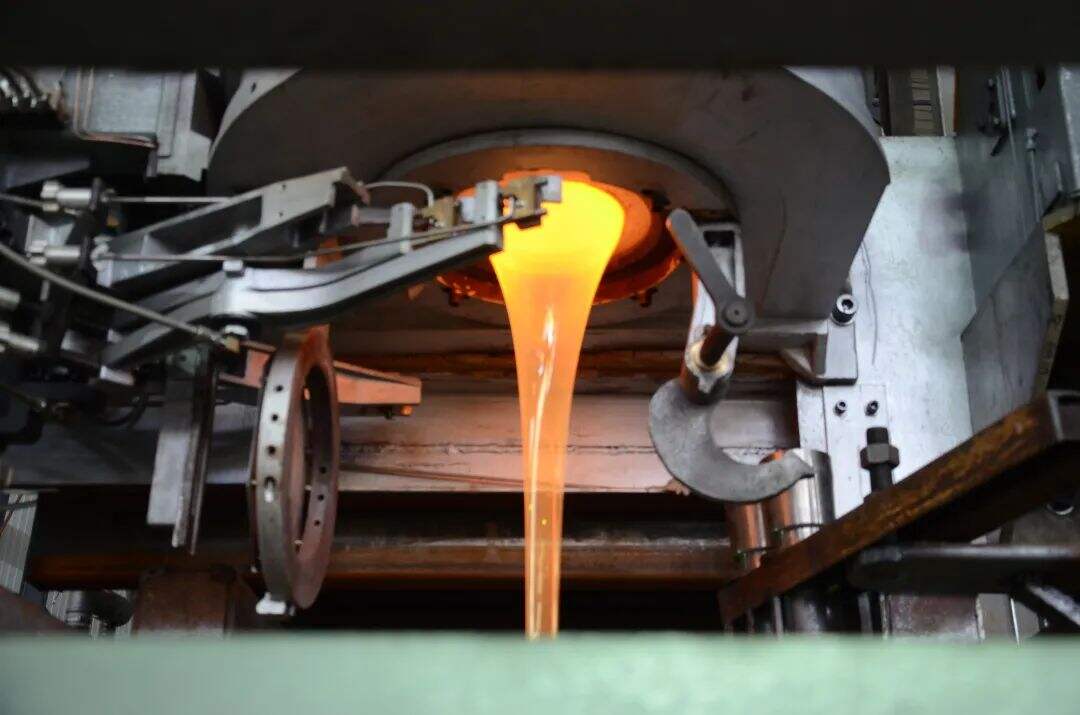
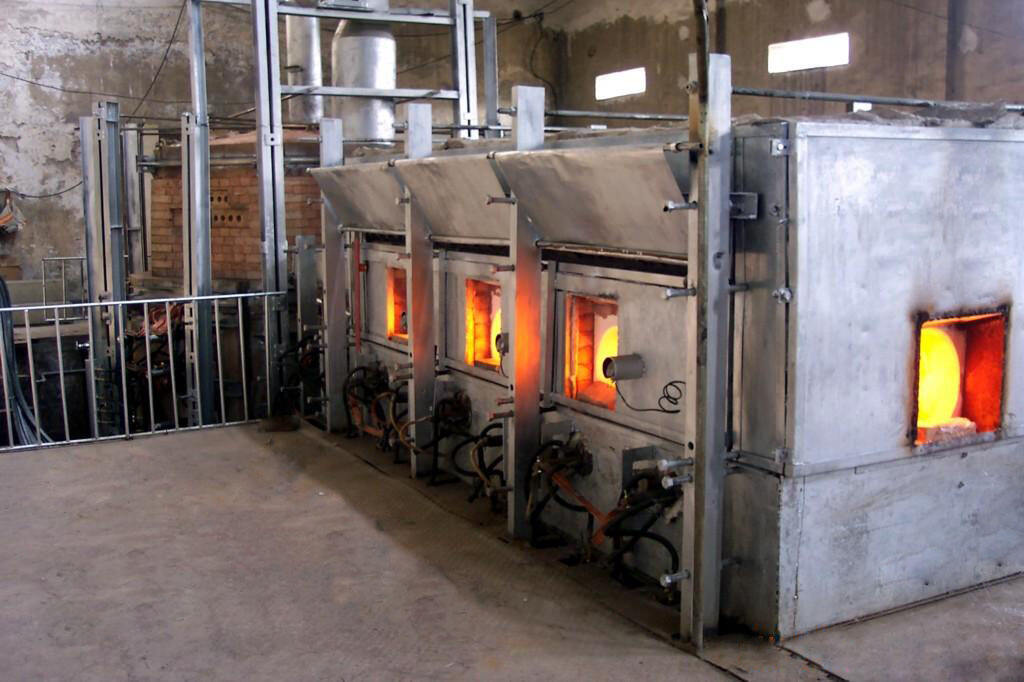
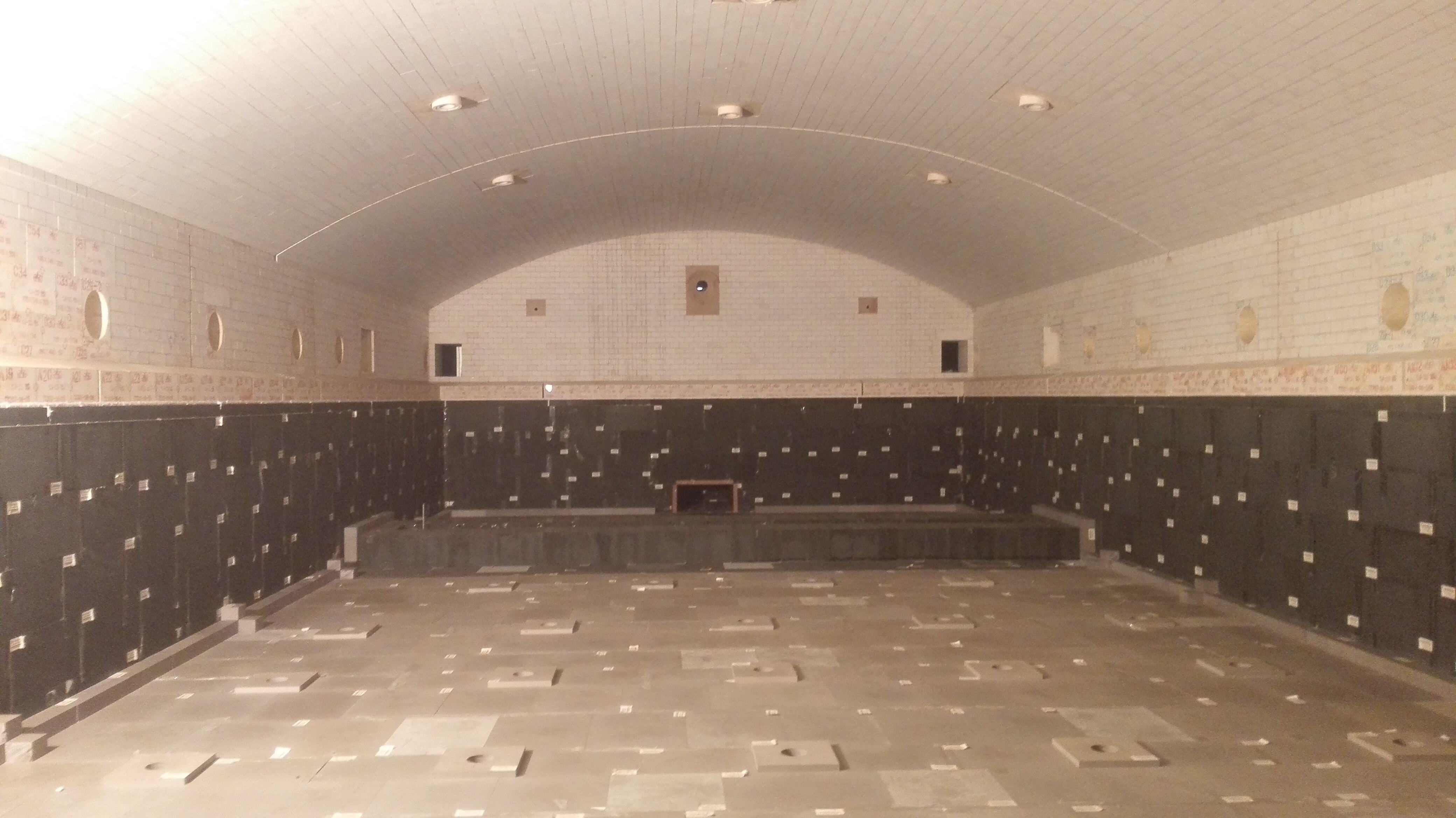
An industrial glass furnace represents a critical manufacturing solution designed to melt raw materials and transform them into various glass products through controlled high-temperature processes. These sophisticated heating systems serve as the backbone of glass production facilities worldwide, enabling manufacturers to create everything from container glass and flat glass to specialty optical components and fiberglass materials. The industrial glass furnace operates by heating silica sand, soda ash, limestone, and other raw ingredients to temperatures exceeding 1500 degrees Celsius, creating a molten glass bath that can be shaped and formed into desired products. Modern furnace designs incorporate advanced refractory materials that withstand extreme temperatures while maintaining structural integrity over extended operational periods. The technology behind these furnaces has evolved significantly, integrating computerized control systems that monitor temperature distribution, energy consumption, and combustion efficiency in real-time. Manufacturers can choose from several furnace configurations including regenerative furnaces, recuperative furnaces, and electric melting furnaces, each offering distinct advantages based on production requirements and energy availability. The regenerative design captures waste heat from exhaust gases and redirects it back into the combustion process, achieving remarkable fuel efficiency improvements. Electric furnaces eliminate combustion emissions entirely, making them ideal for facilities prioritizing environmental sustainability or producing specialty glass requiring exceptional purity. Production capacity varies dramatically across different industrial glass furnace models, ranging from small-batch units processing several tons daily to massive continuous melting tanks handling hundreds of tons per day. The furnace structure typically includes the melting section where raw materials liquify, the refining zone where bubbles and impurities rise to the surface, the working end where homogenized molten glass flows toward forming operations, and sophisticated temperature management systems ensuring consistent glass quality throughout the production cycle.

Popular Products

Investing in a quality industrial glass furnace delivers substantial economic returns through reduced operational costs and improved production efficiency. These systems consume significantly less fuel compared to outdated alternatives, translating directly into lower monthly energy bills and enhanced profit margins for glass manufacturers. The precision temperature control capabilities prevent material waste by maintaining optimal melting conditions, ensuring that raw materials convert efficiently into usable glass rather than being lost to volatilization or incomplete melting. Operators benefit from automated monitoring systems that reduce the need for constant manual supervision, allowing skilled personnel to focus on quality control and process optimization rather than routine temperature adjustments. The durability of modern furnace construction means fewer unexpected shutdowns and costly emergency repairs, maintaining consistent production schedules that keep customers satisfied and revenue streams stable. Advanced insulation technologies trap heat within the melting chamber, minimizing thermal losses and creating safer working environments by reducing external surface temperatures. Maintenance requirements decrease substantially when facilities choose well-engineered furnace systems built with premium refractory materials that resist chemical corrosion and thermal shock over years of continuous operation. The flexibility inherent in contemporary industrial glass furnace designs allows manufacturers to adjust production between different glass types without extensive downtime or expensive equipment modifications. Environmental compliance becomes simpler when using furnaces equipped with emission control systems that capture particulates and reduce nitrogen oxide formation, helping facilities meet increasingly stringent regulatory standards without additional capital investments. Production quality improves measurably as stable thermal profiles eliminate temperature fluctuations that cause defects like stones, cords, and seeds in finished glass products. The rapid heat-up capabilities of modern furnaces minimize the time required to bring systems online after scheduled maintenance, reducing lost production days and accelerating return to full manufacturing capacity. Integration with existing factory automation systems proceeds smoothly through standardized communication protocols, enabling seamless data exchange between the furnace control system and enterprise resource planning software. Long-term ownership costs remain predictable due to readily available replacement parts and comprehensive technical support from manufacturers who understand the critical nature of continuous glass production operations. The scalability of industrial glass furnace technology accommodates business growth, allowing manufacturers to expand capacity incrementally rather than replacing entire systems when market demand increases.

Practical Tips

What Are the Benefits of Using an Automated Glass Sorting System?

24

Sep

What Are the Benefits of Using an Automated Glass Sorting System?

Revolutionizing Glass Recycling Through Advanced Automation The glass recycling industry is undergoing a remarkable transformation with the integration of automated glass sorting systems. These sophisticated technologies are reshaping how recycling f...
View More
What Types of Coatings Are Applied in a Glass Coating Line?

24

Sep

What Types of Coatings Are Applied in a Glass Coating Line?

Understanding Modern Glass Coating Technologies Glass coating technology has revolutionized the way we enhance and protect glass surfaces across various industries. From architectural applications to automotive windshields, the glass coating line pro...
View More
How to Select the Right Hub Glass Furnace for Your Facility?

24

Nov

How to Select the Right Hub Glass Furnace for Your Facility?

Selecting the appropriate hub glass furnace for your manufacturing facility represents one of the most critical decisions that will impact your production efficiency, product quality, and long-term operational costs. A hub glass furnace serves as the...
View More
How to Optimize Production Settings in a Hub Glass Furnace?

24

Nov

How to Optimize Production Settings in a Hub Glass Furnace?

Glass manufacturing represents one of the most energy-intensive industrial processes, requiring precise control of temperature, atmosphere, and raw material flow to achieve optimal production efficiency. Modern hub glass furnace systems have evolved ...
View More

Get a Free Quote

Our representative will contact you soon.
Email
Name
Company Name
Message
0/1000

industrial glass furnace

Superior Energy Efficiency and Cost Reduction

Superior Energy Efficiency and Cost Reduction

The industrial glass furnace achieves remarkable energy efficiency through innovative heat recovery mechanisms that fundamentally transform operational economics for glass manufacturers. Traditional melting processes historically wasted tremendous thermal energy through exhaust stacks, but modern regenerative furnace designs capture this otherwise lost heat and channel it back into the production cycle. This closed-loop approach reduces primary fuel consumption by up to forty percent compared to conventional systems, delivering immediate and ongoing cost savings that significantly improve manufacturing profitability. The regenerative chambers contain carefully engineered checker brick arrangements that absorb heat from outgoing exhaust gases during one half of the firing cycle, then release this stored thermal energy to preheat incoming combustion air during the alternate half-cycle. This continuous heat exchange process elevates incoming air temperatures to levels approaching one thousand degrees Celsius before combustion even occurs, dramatically reducing the additional fuel needed to reach melting temperatures. Electric industrial glass furnace variants eliminate fuel costs entirely while providing unmatched energy conversion efficiency, with electrical resistance heating elements or electrode systems converting nearly all input electricity directly into useful melting heat. The precise power modulation capabilities of electric systems prevent energy waste during production adjustments, ramping consumption up or down instantly in response to changing throughput requirements. Sophisticated insulation packages surrounding the melting chamber minimize conductive and radiative heat losses, ensuring that purchased energy goes toward melting glass rather than heating the surrounding factory environment. Advanced combustion control systems optimize air-fuel ratios continuously, preventing excess air from carrying heat up the exhaust stack while maintaining complete combustion that extracts maximum energy from every fuel molecule. The economic impact extends beyond direct energy savings, as reduced fuel consumption decreases the carbon footprint of glass production operations, potentially qualifying manufacturers for environmental incentives and improving corporate sustainability metrics. Lower operating temperatures on external furnace surfaces reduce cooling requirements in manufacturing facilities, cutting air conditioning costs in warmer climates while creating more comfortable working conditions for production personnel. The extended refractory life resulting from optimized thermal management reduces replacement frequency and associated downtime costs, as materials experience less thermal stress when temperature gradients remain controlled within design parameters.
Consistent Product Quality and Process Reliability

Consistent Product Quality and Process Reliability

An industrial glass furnace equipped with advanced process control technology delivers unprecedented consistency in glass composition and physical properties, directly addressing the quality challenges that have historically plagued glass manufacturing operations. The computerized temperature management systems maintain melting zone temperatures within extremely narrow tolerances, eliminating the thermal variations that cause compositional inhomogeneities and physical defects in finished products. Optical sensors and thermocouples positioned throughout the furnace provide real-time feedback to control algorithms that make instantaneous adjustments to burner firing rates, ensuring uniform heat distribution across the entire glass bath surface. This thermal stability proves especially critical when producing specialty glass types with demanding specifications, where even minor temperature deviations can render entire production batches unusable. The extended residence time provided by properly designed industrial glass furnace systems allows complete chemical reactions between raw material components, ensuring thorough homogenization that eliminates seeds and stones that would otherwise compromise product integrity. Sophisticated refining zones incorporate strategically positioned bubblers or stirrers that promote convective currents within the molten glass, accelerating the rise of gaseous inclusions to the surface where they can escape harmlessly. The controlled atmosphere capabilities of modern furnace designs prevent unwanted oxidation or reduction reactions that alter glass color and transmission properties, maintaining consistent optical characteristics batch after batch. Automated batch charging systems linked to the furnace controls ensure precise raw material proportions, eliminating human measurement errors that historically introduced composition variability. The continuous production capability of industrial glass furnace installations eliminates the thermal cycling inherent in batch melting processes, removing a major source of stress-related defects while improving overall energy efficiency. Predictive maintenance algorithms monitor refractory wear patterns and system performance indicators, alerting operators to potential issues before they cause quality problems or unexpected shutdowns. The stable thermal environment created by well-designed furnace systems extends beyond the melting chamber, providing consistent glass temperatures at forming stations that improve dimensional control and reduce reject rates. Documentation systems integrated with furnace controls create comprehensive production records linking process parameters to finished product characteristics, enabling rapid root cause analysis when quality issues do occur and supporting continuous improvement initiatives.
Operational Flexibility and Production Versatility

Operational Flexibility and Production Versatility

The industrial glass furnace offers remarkable operational flexibility that empowers manufacturers to respond dynamically to changing market demands and pursue diverse product portfolios without major capital investments or extended conversion downtime. Modern furnace control systems allow rapid adjustment of melting temperatures and residence times to accommodate different glass compositions, enabling facilities to switch between soda-lime container glass, borosilicate laboratory ware, and specialty optical formulations within the same production week. This versatility proves invaluable in competitive markets where customer requirements shift frequently and the ability to fulfill varied orders quickly provides significant strategic advantages. The modular design philosophy incorporated into contemporary industrial glass furnace engineering facilitates capacity expansion through incremental additions rather than complete system replacement, allowing manufacturers to scale production in alignment with business growth without overcommitting capital resources. Electric melting sections can be integrated into existing fuel-fired furnaces to create hybrid systems that combine the economic advantages of gas firing for bulk melting with the precise control and cleanliness of electric boosting for final refining. The quick color change capabilities enabled by advanced fining and conditioning sections minimize the transition time between different colored glass products, reducing the volume of off-specification transition material that must be remelted or discarded. Furnace designs accommodating cullet recycling at high percentages provide environmental benefits while reducing raw material costs, with specialized charging systems handling broken glass alongside virgin batch materials without compromising melting efficiency. The ability to operate across a wide range of pull rates gives production planners flexibility to adjust daily output in response to inventory levels and order backlogs without sacrificing glass quality or energy efficiency. Multi-zone heating configurations allow different furnace regions to operate at distinct temperatures simultaneously, creating optimal conditions for each stage of the glass making process from initial melting through final conditioning. The industrial glass furnace compatibility with various forming processes including blow molding, pressing, floating, and fiber drawing means a single melting system can support diverse downstream operations, maximizing equipment utilization and return on investment. Remote monitoring capabilities built into modern control systems enable expert troubleshooting and process optimization from off-site locations, providing access to specialized technical knowledge without the delays and costs associated with on-site service calls. The standardized spare parts used across industrial glass furnace product lines simplify inventory management and reduce the risk of extended downtime waiting for custom-manufactured replacement components during repairs.