Curved Laminated Glass - Premium Safety Glass Solutions for Modern Architecture

All Categories

Get a Free Quote

Our representative will contact you soon.
Email
Name
Company Name
Message
0/1000

curved laminated glass

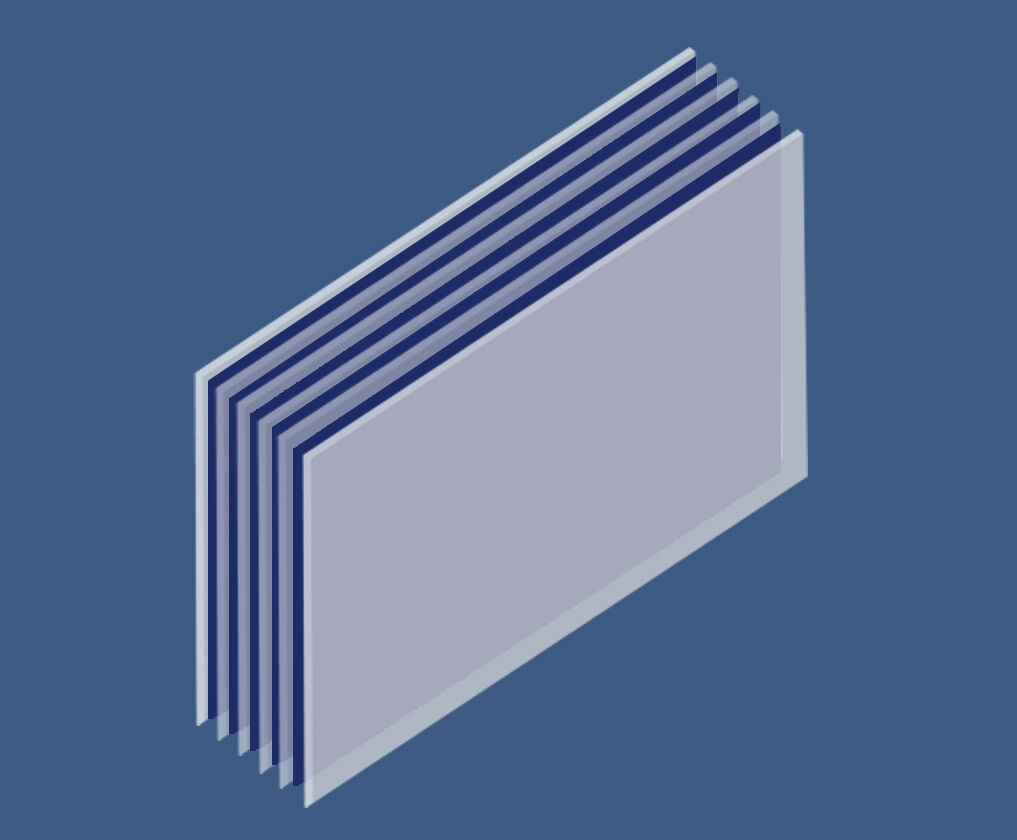
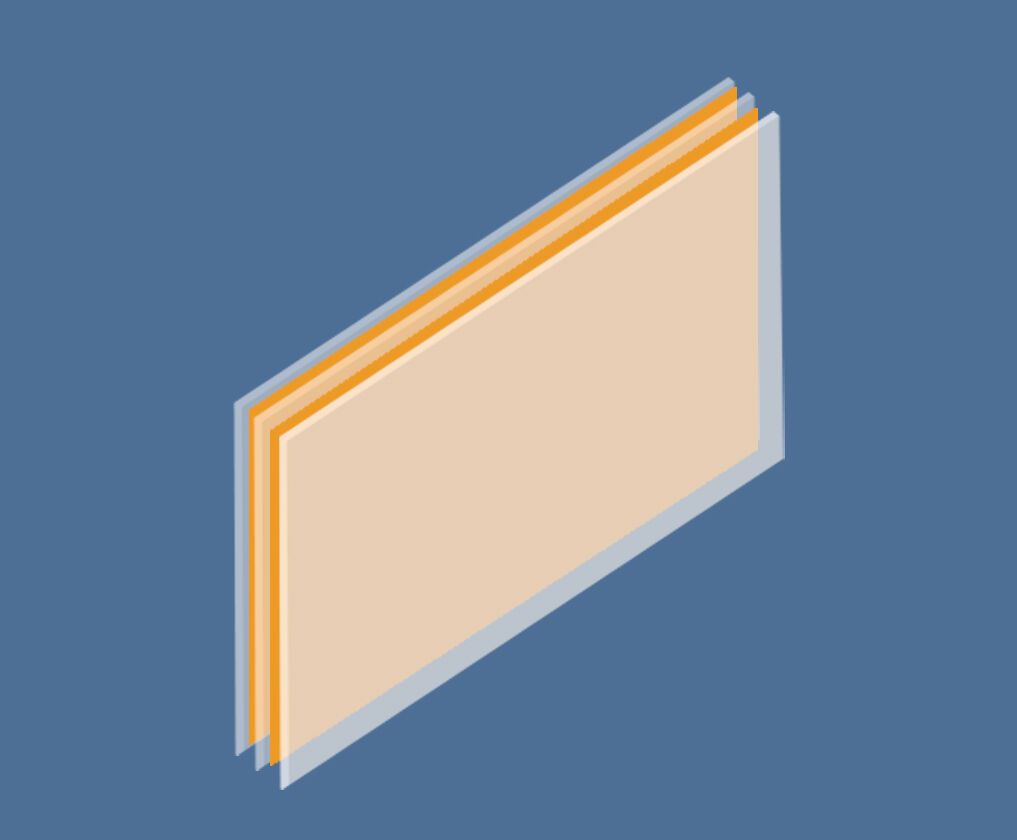
Curved laminated glass represents an innovative architectural solution that combines aesthetic appeal with exceptional safety features. This specialized glass product is manufactured through a precise process where multiple layers of glass are bonded together with interlayer materials, typically polyvinyl butyral (PVB) or ethylene-vinyl acetate (EVA), and then shaped into curved forms through controlled heating and molding techniques. The main function of curved laminated glass is to provide enhanced structural integrity while offering designers the freedom to create flowing, organic shapes that traditional flat glass cannot achieve. Technologically, the production of curved laminated glass requires sophisticated equipment capable of maintaining uniform pressure and temperature throughout the bending process, ensuring consistent curvature and optical clarity. The interlayer material plays a crucial role by holding glass fragments together if breakage occurs, significantly reducing injury risks. Applications for curved laminated glass span numerous sectors including modern commercial buildings, luxury residential projects, automotive windshields, aquariums, skylights, canopies, and decorative interior partitions. In contemporary architecture, curved laminated glass enables the creation of striking facades that capture natural light dynamically throughout the day while maintaining occupant safety. Museums and galleries frequently incorporate this material to design protective display cases with unobstructed views. The transportation industry relies heavily on curved laminated glass for vehicle windows where aerodynamic shapes and passenger protection are paramount. Shopping centers and airports utilize this glass type for expansive curved walls and roofing systems that create welcoming, light-filled environments. The versatility of curved laminated glass extends to custom furniture design, shower enclosures, and artistic installations where both form and function must coexist harmoniously. As sustainability becomes increasingly important, curved laminated glass contributes to energy efficiency by allowing maximum natural light penetration while providing thermal insulation properties when combined with appropriate coatings and gas fills between layers.

New Products

Choosing curved laminated glass for your project delivers multiple practical benefits that directly impact safety, design flexibility, and long-term value. The most significant advantage lies in safety performance; when curved laminated glass experiences impact or breakage, the interlayer material keeps glass shards adhered together rather than scattering dangerously. This protective characteristic makes it ideal for overhead installations, high-traffic areas, and any space where human safety is a priority. Parents appreciate this feature in homes with children, while building managers value the reduced liability exposure in commercial settings. Another compelling benefit is the enhanced security this glass type provides against forced entry attempts. The bonded layers resist penetration far better than single-pane alternatives, deterring break-ins and providing valuable time for security response. Curved laminated glass also excels at sound dampening, with the interlayer acting as an acoustic barrier that reduces noise transmission between spaces. This makes it perfect for offices needing quiet zones, homes near busy streets, or hotels requiring guest comfort. The design possibilities curved laminated glass opens are truly remarkable, allowing architects and designers to realize visionary concepts that would be impossible with rigid flat glass. Whether creating sweeping entrance features, organic pavilion structures, or sculptural interior elements, the material bends to creative ambitions while maintaining optical clarity. From a maintenance perspective, curved laminated glass proves highly durable and resistant to yellowing or delamination when properly manufactured, meaning your investment maintains its appearance and performance for decades. The material naturally filters harmful ultraviolet rays, protecting interior furnishings, artwork, and flooring from fading damage without requiring additional treatments. This UV protection also benefits human occupants by reducing skin exposure to damaging radiation. Energy efficiency represents another practical advantage, as curved laminated glass can incorporate low-emissivity coatings and thermal breaks that minimize heat transfer, reducing heating and cooling costs year-round. In coastal or harsh weather environments, curved laminated glass demonstrates superior resistance to wind loads and impact from debris compared to alternatives. The manufacturing precision ensures consistent optical quality without the distortions that sometimes plague curved glass products, maintaining clear views and natural light transmission that enhance any space's ambiance and functionality.

Latest News

How Does a Glass Sorting System Integrate with Other Glass Lines?

24

Sep

How Does a Glass Sorting System Integrate with Other Glass Lines?

Seamless Integration of Modern Glass Sorting Technologies The integration of a glass sorting system into existing production lines represents a significant advancement in glass manufacturing and recycling operations. These sophisticated systems utili...
View More
What Factors Should You Consider When Choosing Automotive Glass Processing Methods?

28

Oct

What Factors Should You Consider When Choosing Automotive Glass Processing Methods?

The Complete Guide to Modern Automotive Glass Manufacturing The automotive glass processing industry has undergone significant transformation in recent years, driven by technological advancements and evolving vehicle design requirements. As manufactu...
View More
How to Select the Right Hub Glass Furnace for Your Facility?

24

Nov

How to Select the Right Hub Glass Furnace for Your Facility?

Selecting the appropriate hub glass furnace for your manufacturing facility represents one of the most critical decisions that will impact your production efficiency, product quality, and long-term operational costs. A hub glass furnace serves as the...
View More
What Factors Influence Compatibility With Different Glass Sheet Sizes?

19

Dec

What Factors Influence Compatibility With Different Glass Sheet Sizes?

Glass manufacturing and processing industries face critical decisions when selecting equipment that can accommodate varying sheet dimensions. Modern fabrication facilities require versatile solutions that maintain precision across different material ...
View More

Get a Free Quote

Our representative will contact you soon.
Email
Name
Company Name
Message
0/1000

curved laminated glass

Superior Impact Resistance and Safety Protection

Superior Impact Resistance and Safety Protection

The exceptional impact resistance of curved laminated glass stems from its multi-layer construction and specialized bonding process, making it one of the most reliable safety glass options available today. When you install curved laminated glass in your building or vehicle, you are incorporating a protective barrier that has been engineered specifically to withstand significant force while minimizing injury risks. The secret lies in the interlayer material sandwiched between glass panels, which creates a flexible bond that absorbs and distributes impact energy across the entire surface rather than allowing concentrated stress points to cause catastrophic failure. In practical terms, this means that during severe weather events such as hurricanes or hailstorms, curved laminated glass maintains its integrity even when struck by flying debris, protecting building occupants from wind, rain, and dangerous projectiles. The same principle applies in automotive applications where curved laminated glass windshields prevent passenger ejection during collisions while maintaining visibility for drivers to maintain control. Testing standards for curved laminated glass include rigorous impact simulations that replicate real-world scenarios, ensuring consistent performance across different thicknesses and curvature radii. Building owners particularly appreciate how this safety feature reduces insurance premiums while providing peace of mind that occupants remain protected during emergencies. Schools, hospitals, and public facilities increasingly specify curved laminated glass for atriums, entrance canopies, and exterior walls where large crowds gather and safety cannot be compromised. The glass structure also resists penetration attempts, with the interlayer requiring sustained force to breach, giving security personnel valuable response time during intrusion attempts. Residential applications benefit equally, with curved laminated glass offering families protection from accidents while maintaining the aesthetic beauty of curved architectural elements. The safety advantages extend beyond impact resistance to include fire performance, where certain interlayer materials provide additional time before glass failure, allowing safe evacuation. Curved laminated glass installed in balustrades and railings meets stringent building codes for fall protection, supporting body impact loads without shattering. This comprehensive safety profile makes curved laminated glass an investment in human wellbeing that pays dividends through reduced accident severity, lower liability exposure, and enhanced property value. Maintenance teams find that even when minor damage occurs to outer glass layers, the laminated structure often allows continued temporary use until replacement, avoiding complete system failure and associated downtime costs.
Unlimited Architectural Design Freedom

Unlimited Architectural Design Freedom

Curved laminated glass revolutionizes architectural possibilities by enabling designers to break free from the constraints of straight lines and flat planes, opening entirely new creative dimensions for building envelopes, interior spaces, and functional art installations. The manufacturing process for curved laminated glass has evolved to accommodate increasingly complex geometries, from gentle arcs and barrel vaults to dramatic compound curves and custom sculptural forms that serve as signature building elements. Architects working with curved laminated glass can now realize visions that previously existed only as conceptual sketches, creating fluid transitions between interior and exterior spaces that blur traditional boundaries. The optical clarity maintained throughout the curving process ensures that these dramatic forms do not compromise views or natural light quality, instead often enhancing how daylight moves through spaces as sun angles change throughout the day. Retail environments leverage curved laminated glass to design inviting storefronts that draw customers inside while displaying merchandise from multiple viewing angles simultaneously. Corporate headquarters incorporate sweeping curved laminated glass facades that communicate innovation and forward-thinking brand identities to clients and competitors alike. Religious and cultural buildings utilize this material to create contemplative spaces where curved forms evoke spiritual symbolism and emotional responses through their interaction with natural illumination. The technical capability to produce curved laminated glass in various radii means designers can specify tight curves for compact urban sites or gentle sweeping curves for expansive suburban campuses, always maintaining structural performance requirements. Interior designers discover new possibilities for space division using curved laminated glass partitions that define zones without creating visual barriers, maintaining openness while providing acoustic separation. Custom furniture makers craft unique pieces incorporating curved laminated glass surfaces that combine functional utility with artistic expression, from dining tables to display cabinets. The material accepts various surface treatments including acid etching, sandblasting, digital printing, and embedded materials, allowing further customization that aligns with specific design themes. Lighting designers appreciate how curved laminated glass refracts and reflects light in ways that flat glass cannot, creating dynamic visual effects that change as occupants move through spaces. Historically, achieving curved glass forms required expensive custom tooling and lengthy production timelines, but modern manufacturing advances have made curved laminated glass more accessible for projects of varying scales and budgets. This democratization of curved glass technology means residential clients can now incorporate dramatic curved laminated glass features that were once reserved exclusively for landmark commercial projects.
Long-Term Durability and Value Retention

Long-Term Durability and Value Retention

Investing in curved laminated glass delivers exceptional long-term value through superior durability, minimal maintenance requirements, and sustained performance that protects your financial investment across decades of service life. Unlike many building materials that degrade noticeably within years, properly manufactured curved laminated glass maintains its structural integrity, optical clarity, and aesthetic appeal with minimal intervention, making it one of the most cost-effective choices when evaluated on a lifecycle basis. The bonding process used in curved laminated glass production creates permanent adhesion between layers that resists delamination even under extreme temperature fluctuations, high humidity, and intense ultraviolet exposure that would compromise lesser materials. This stability means building owners avoid costly premature replacement cycles and associated disruption to operations. The inherent resistance of curved laminated glass to scratching and surface damage ensures that high-traffic installations maintain their pristine appearance without requiring frequent refinishing or protective treatments. Cleaning curved laminated glass requires only standard glass cleaning solutions and soft cloths, with no special procedures or expensive maintenance products needed to preserve performance. The material does not yellow, cloud, or develop haze over time as some plastic alternatives do, maintaining the crystal-clear transparency that makes glass the preferred choice for premium applications. Energy performance remains consistent throughout the service life of curved laminated glass, with thermal and solar control properties staying within specification rather than degrading as coatings age. This reliability means the energy savings calculated during project planning actually materialize year after year, improving return on investment calculations. Curved laminated glass also contributes to higher property valuations and faster sales or leasing cycles, as distinctive architectural features incorporating this material become memorable selling points that differentiate properties in competitive markets. Prospective buyers and tenants recognize quality when they encounter curved laminated glass installations, associating the material with premium construction standards and thoughtful design. The sound dampening properties of curved laminated glass do not diminish over time, providing consistent acoustic comfort that enhances workspace productivity and residential living quality indefinitely. From an environmental perspective, the longevity of curved laminated glass reduces the frequency of replacement cycles, minimizing the embodied energy and waste associated with manufacturing and installing new materials. Buildings incorporating curved laminated glass often achieve green building certifications more easily due to the material's contribution to daylighting, energy efficiency, and occupant wellness. Insurance providers frequently offer favorable rates for properties protected by curved laminated glass due to its proven resistance to weather damage, break-ins, and accidents that trigger claims. The resale value of curved laminated glass remains strong in renovation and deconstruction scenarios, as salvaged pieces often find new applications rather than ending up in landfills.