Glass Blowing Machine: Advanced Automated Solutions for Precision Glass Container Manufacturing

All Categories

Get a Free Quote

Our representative will contact you soon.
Email
Name
Company Name
Message
0/1000

glass blowing machine

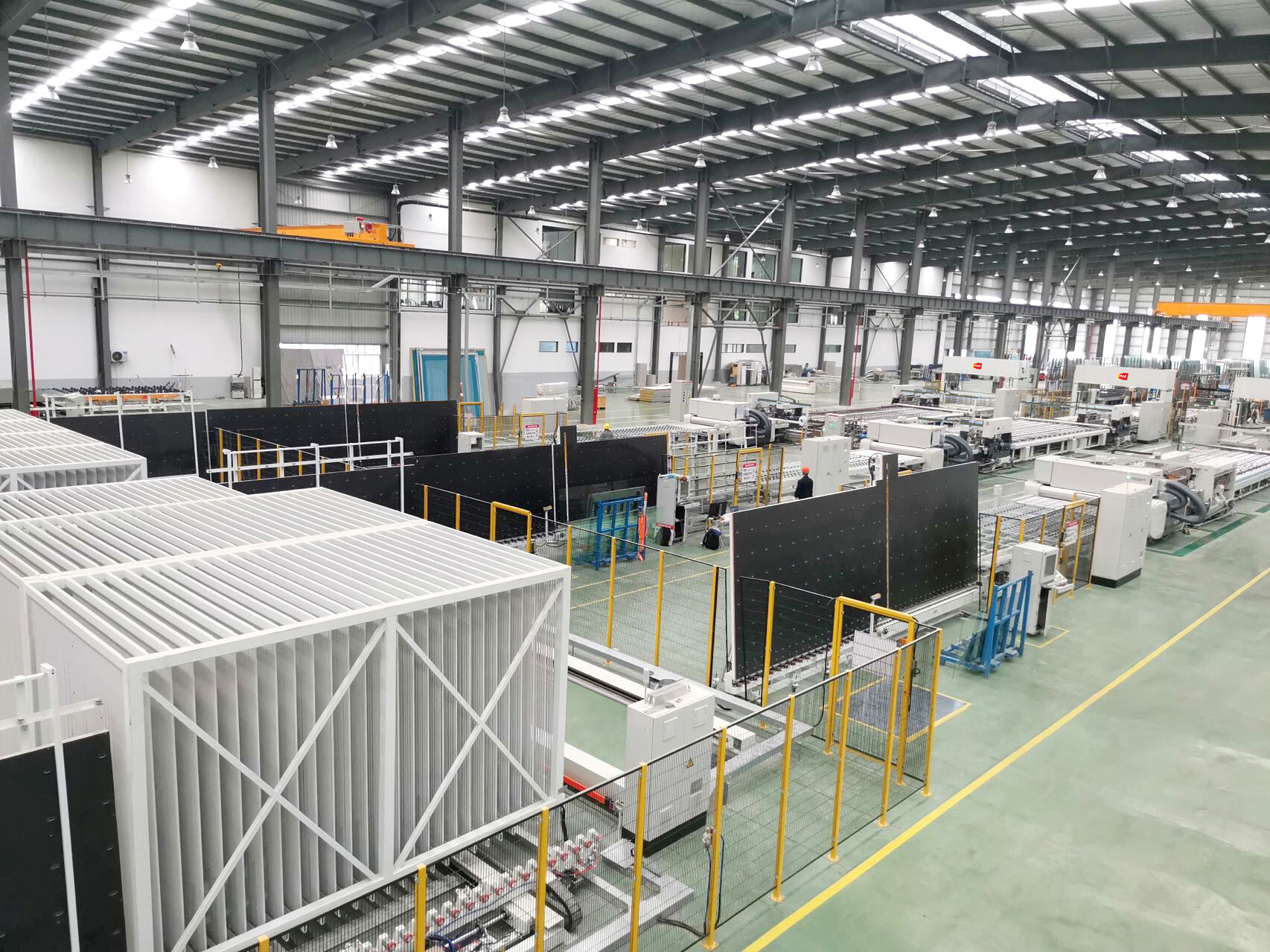
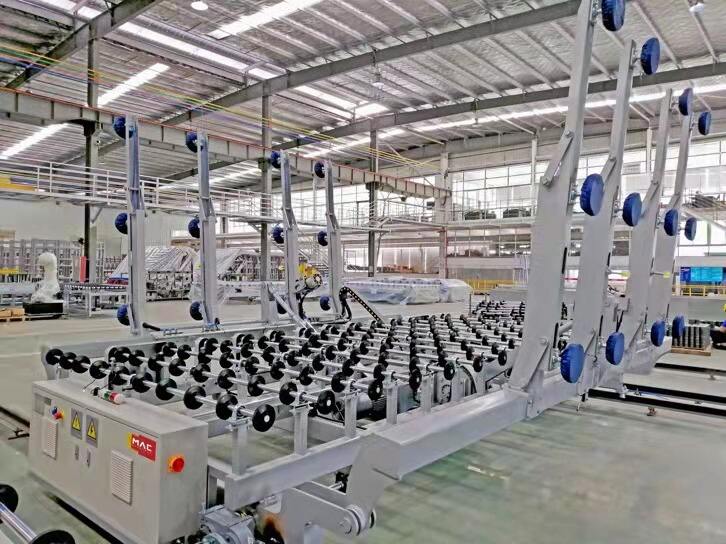
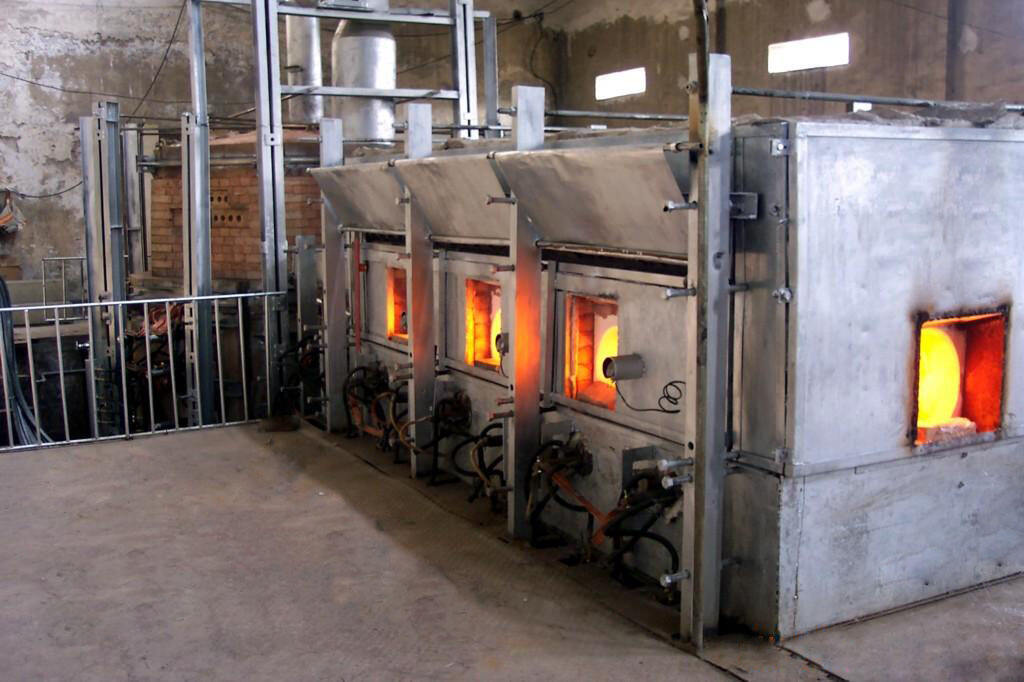
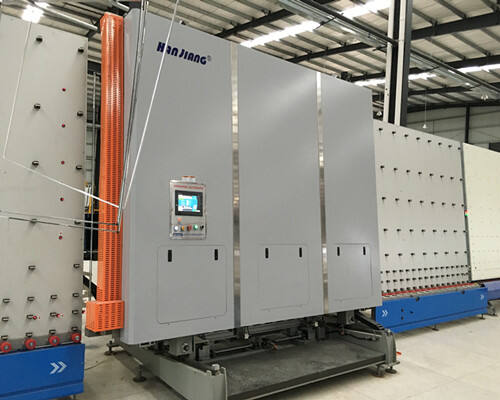
A glass blowing machine represents a revolutionary advancement in glass manufacturing technology, designed to automate and streamline the production of hollow glass containers, bottles, jars, and various glassware products. This sophisticated equipment combines precision engineering with thermal control systems to transform molten glass into finished products with remarkable consistency and efficiency. The glass blowing machine operates through a carefully orchestrated process that begins with feeding molten glass into molds, followed by precise air pressure application to shape the glass into desired forms. Modern glass blowing machines incorporate advanced automation features, including programmable logic controllers, servo-driven mechanisms, and real-time monitoring systems that ensure optimal production outcomes. The main functions of a glass blowing machine encompass temperature regulation, mold cavity formation, air pressure distribution, and automated product ejection. These machines can produce thousands of units per hour, significantly outperforming traditional hand-blown glass production methods. The technological features include multi-cavity mold systems, adjustable blow pressure controls, cooling zone management, and integration capabilities with upstream and downstream production equipment. Contemporary glass blowing machines utilize energy-efficient heating elements, reducing operational costs while maintaining precise temperature control necessary for glass viscosity management. The applications of glass blowing machines span numerous industries, including beverage packaging, pharmaceutical containers, cosmetic bottles, food preservation jars, and specialty glassware manufacturing. These machines accommodate various glass types, from standard soda-lime glass to borosilicate and colored glass formulations. The versatility of modern glass blowing machines allows manufacturers to quickly switch between different product designs, making them ideal for both high-volume standardized production and customized specialty runs. Safety features integrated into contemporary glass blowing machines include emergency stop mechanisms, thermal shielding, and automated malfunction detection systems that protect operators while maintaining production continuity.

New Product Recommendations

The glass blowing machine delivers substantial cost savings by dramatically reducing labor requirements compared to manual glass forming techniques. Where traditional methods might require skilled artisans working individually on each piece, automated machines produce hundreds or thousands of identical items with minimal human intervention. This efficiency translates directly to lower per-unit production costs, making glass products more affordable for manufacturers and end consumers alike. The consistency achieved through mechanical glass blowing eliminates the variations inherent in handcrafted production, ensuring every bottle, jar, or container meets exact specifications. This uniformity proves essential for clients requiring precise dimensions for automated filling lines, labeling equipment, or standardized packaging solutions. Production speed represents another compelling advantage, as modern glass blowing machines operate continuously throughout shifts, maintaining steady output that manual processes simply cannot match. The reliability of these machines means fewer production delays and more predictable delivery schedules, helping businesses meet customer demands and maintain inventory levels effectively. Energy efficiency has improved significantly in recent glass blowing machine designs, with better insulation, heat recovery systems, and optimized heating cycles reducing fuel consumption and lowering environmental impact. These improvements not only decrease operational expenses but also support sustainability initiatives increasingly important to environmentally conscious brands and consumers. The flexibility of contemporary glass blowing machines allows manufacturers to respond quickly to market trends and customer requests. Changeover between different product designs typically requires only mold replacement and parameter adjustments, minimizing downtime between production runs. This adaptability enables businesses to offer diverse product catalogs without investing in multiple specialized machines. Quality control benefits from the precise, repeatable nature of machine glass blowing, as automated systems maintain consistent wall thickness, proper sealing surfaces, and dimensional accuracy that manual techniques struggle to replicate. The reduced defect rates mean less waste, fewer customer complaints, and stronger brand reputation. Safety improvements protect workers from the hazards associated with handling molten glass, as modern glass blowing machines incorporate protective barriers, automated material handling, and temperature controls that minimize direct human exposure to dangerous conditions. The machines also reduce physical strain on workers, eliminating repetitive motions and heavy lifting that contribute to workplace injuries. From a business scalability perspective, glass blowing machines enable manufacturers to increase production capacity systematically by adding equipment rather than recruiting and training numerous specialized craftspeople. This scalability supports business growth while maintaining quality standards across expanded operations.

Latest News

What Safety Features Should Be Built into a Glass Sorting System?

24

Sep

What Safety Features Should Be Built into a Glass Sorting System?

Essential Safety Components for Modern Glass Processing Systems Glass sorting systems are vital components in recycling facilities and glass manufacturing plants, where efficiency must be perfectly balanced with worker protection. These sophisticated...
View More
Why Are Smart Glass Cutting Lines Becoming the Standard in Factories?

28

Oct

Why Are Smart Glass Cutting Lines Becoming the Standard in Factories?

The Revolution of Automated Glass Processing in Modern Manufacturing The manufacturing landscape is undergoing a dramatic transformation as smart glass cutting lines increasingly become the backbone of modern glass processing facilities. These sophis...
View More
How to Optimize Production Settings in a Hub Glass Furnace?

24

Nov

How to Optimize Production Settings in a Hub Glass Furnace?

Glass manufacturing represents one of the most energy-intensive industrial processes, requiring precise control of temperature, atmosphere, and raw material flow to achieve optimal production efficiency. Modern hub glass furnace systems have evolved ...
View More
Why Is Automated Insulating Glass Production Increasing in Large Factories?

19

Dec

Why Is Automated Insulating Glass Production Increasing in Large Factories?

The construction and manufacturing industries are experiencing a significant shift toward automation, with automated insulating glass production leading this transformation in large-scale factories. This evolution represents more than just technologi...
View More

Get a Free Quote

Our representative will contact you soon.
Email
Name
Company Name
Message
0/1000

glass blowing machine

Precision Engineering and Consistent Quality Output

Precision Engineering and Consistent Quality Output

The precision engineering incorporated into modern glass blowing machines represents a fundamental advantage that transforms manufacturing capabilities for businesses across multiple industries. These machines utilize advanced servo motors, programmable controllers, and precision-machined components that work in perfect synchronization to create glass products with tolerances measured in fractions of millimeters. The consistency achieved through this engineering excellence means that every container produced maintains identical dimensions, wall thickness distribution, and structural integrity, eliminating the variability that characterizes manual production methods. This precision becomes particularly valuable for clients in pharmaceutical, beverage, and food industries where container specifications directly impact product safety, shelf life, and regulatory compliance. The glass blowing machine achieves this consistency through carefully calibrated processes that control every aspect of formation, from initial glass gob delivery through final annealing cycles. Temperature sensors continuously monitor glass viscosity, adjusting heating elements to maintain optimal working conditions regardless of ambient temperature fluctuations or production duration. The mold cavity design incorporates advanced cooling channels that extract heat uniformly, preventing weak spots or stress concentrations that could compromise container strength. Air pressure systems deliver precisely measured bursts that expand the glass into the mold without causing thin spots or irregularities. This level of control eliminates the human factors that introduce variations in handcrafted production, where fatigue, skill differences, and environmental conditions affect outcomes. For manufacturers, this consistency translates to reduced rejection rates, fewer customer complaints, and stronger relationships with quality-conscious clients. The predictability of machine-produced glass also simplifies quality assurance processes, as statistical sampling reliably represents entire production batches rather than requiring individual inspection. Beyond dimensional accuracy, the glass blowing machine maintains consistent optical properties, ensuring uniform transparency, color distribution, and surface finish across all products. This aesthetic consistency matters greatly for premium brands where visual presentation influences purchasing decisions and brand perception.
High-Speed Production Capacity and Operational Efficiency

High-Speed Production Capacity and Operational Efficiency

The exceptional production capacity of glass blowing machines revolutionizes manufacturing economics by delivering output volumes that manual processes cannot approach while maintaining superior quality standards. Modern machines operate at speeds ranging from several hundred to several thousand units per hour depending on product complexity and size, representing productivity increases of ten to fifty times compared to traditional hand-blowing techniques. This dramatic throughput enhancement stems from optimized cycle times where multiple stations work simultaneously in coordinated sequences. While one mold cavity forms a container, adjacent stations prepare incoming glass, cool completed products, and transfer finished items to conveyor systems, creating continuous flow production that maximizes equipment utilization. The glass blowing machine achieves this efficiency through sophisticated automation that orchestrates timing, positioning, and process parameters without constant operator oversight. Programmable logic controllers store recipes for different products, enabling rapid changeovers that minimize downtime between production runs. Operators simply select the desired product profile, and the machine automatically adjusts temperatures, pressures, timing sequences, and mold positions to optimal settings. This automation reduces setup time from hours to minutes, allowing manufacturers to economically produce smaller batch sizes and respond quickly to market demands. The operational efficiency extends beyond raw speed to encompass energy utilization, material yield, and maintenance requirements. Contemporary glass blowing machines incorporate heat recovery systems that capture waste heat from cooling zones and redirect it to preheating functions, significantly reducing energy consumption per unit produced. Improved mold designs and glass distribution systems minimize material waste, ensuring that nearly all incoming glass becomes finished product rather than scrap requiring remelting. Predictive maintenance features monitor component wear, vibration patterns, and performance metrics to schedule service interventions before failures occur, preventing costly unplanned downtime. The cumulative effect of these efficiency improvements dramatically lowers per-unit production costs, enabling manufacturers to compete effectively in price-sensitive markets while maintaining healthy profit margins.
Versatility and Adaptability for Diverse Manufacturing Needs

Versatility and Adaptability for Diverse Manufacturing Needs

The remarkable versatility of modern glass blowing machines empowers manufacturers to serve diverse market segments and adapt swiftly to evolving customer requirements without substantial capital reinvestment. These machines accommodate an impressive range of container types, sizes, and designs through modular mold systems and adjustable process parameters that transform a single machine into a multi-purpose production platform. From small pharmaceutical vials measuring just milliliters to large beverage bottles holding multiple liters, the glass blowing machine handles varying scales through mold changes and parameter adjustments rather than requiring dedicated specialized equipment for each product category. This flexibility proves invaluable for manufacturers serving multiple industries or pursuing product diversification strategies to reduce business risk. The machine's adaptability extends to glass composition compatibility, processing standard soda-lime glass for everyday containers, borosilicate glass for heat-resistant laboratory ware and cookware, and specialty formulations including colored, UV-protective, or enhanced-strength glass varieties. Process parameters adjust to accommodate the different melting temperatures, viscosity characteristics, and cooling requirements of various glass types, ensuring optimal results regardless of material selection. Container design versatility represents another dimension of machine adaptability, with modern glass blowing machines producing round, square, oval, and custom-shaped containers, along with specialized features like handles, embossed logos, threaded necks, and decorative patterns. Mold design innovations enable rapid tooling changes that minimize production interruptions when switching between products, supporting manufacturers who require frequent changeovers to satisfy diverse customer orders. The programming flexibility allows operators to fine-tune production parameters for specific quality objectives, whether prioritizing maximum speed for commodity products or emphasizing precision and finish quality for premium applications. This adaptability future-proofs manufacturing investments, as the same equipment that produces today's standard containers can be reprogrammed and re-tooled to manufacture tomorrow's innovative designs without obsolescence concerns. For businesses exploring new markets or developing custom products for specific clients, the glass blowing machine provides a low-risk platform for experimentation and prototyping before committing to high-volume production.