Glass Bottle Manufacturing Machine - Advanced Production Solutions for Quality Packaging

All Categories

Get a Free Quote

Our representative will contact you soon.
Email
Name
Company Name
Message
0/1000

glass bottle manufacturing machine

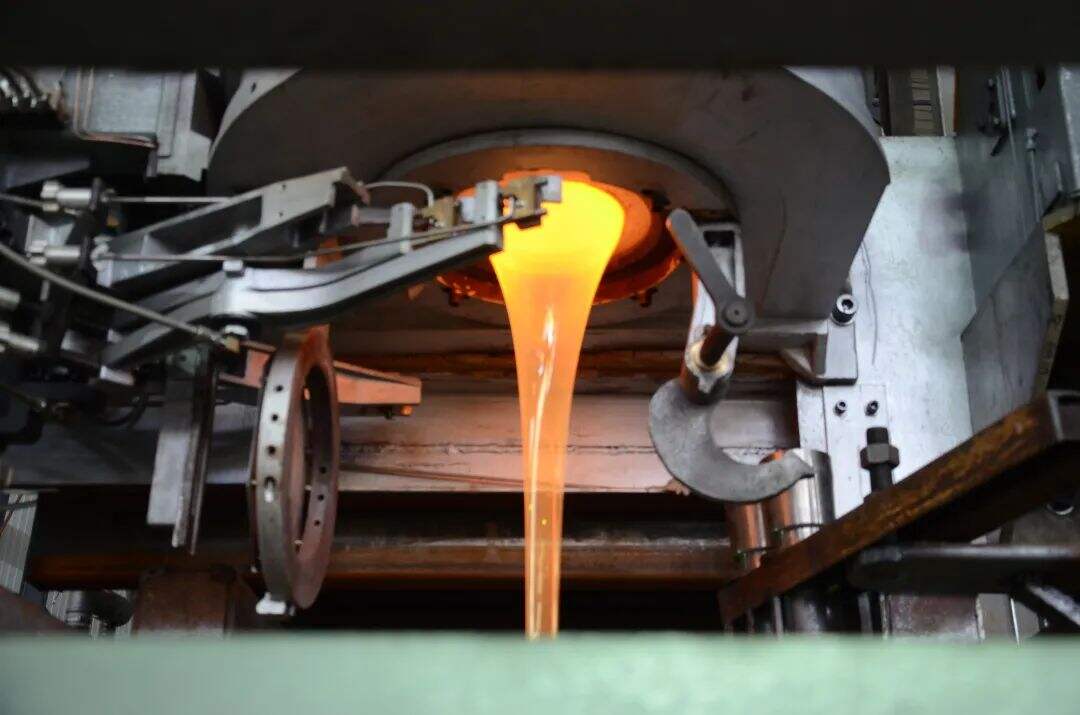
A glass bottle manufacturing machine represents an essential industrial system designed to transform raw materials into finished glass containers through automated production processes. This sophisticated equipment combines precision engineering with thermal processing capabilities to create bottles of various shapes, sizes, and specifications for commercial use. The primary function of a glass bottle manufacturing machine involves melting silica sand, soda ash, limestone, and other additives at extremely high temperatures, then forming the molten glass into desired bottle shapes through either blow-and-blow or press-and-blow methods. Modern glass bottle manufacturing machines incorporate advanced control systems that monitor every stage of production, from raw material feeding to final inspection, ensuring consistent quality and dimensional accuracy throughout the manufacturing cycle. The technological features of these machines include programmable logic controllers that manage temperature profiles, automated forming sections with multiple cavities for simultaneous bottle production, precision mold systems that determine final bottle geometry, and integrated cooling mechanisms that gradually reduce glass temperature to prevent thermal stress and cracking. These systems operate continuously, with production speeds ranging from several hundred to thousands of bottles per hour depending on machine configuration and bottle specifications. The application spectrum for glass bottle manufacturing machines spans numerous industries including beverage production, pharmaceutical packaging, cosmetics containers, food preservation, and specialty chemical storage. These machines can produce bottles ranging from small pharmaceutical vials weighing just a few grams to large industrial containers exceeding several kilograms. The versatility of glass bottle manufacturing machines allows manufacturers to switch between different bottle designs by changing molds and adjusting production parameters, providing flexibility to meet diverse market demands while maintaining efficient production economics and superior product quality standards.

New Products

Investing in a glass bottle manufacturing machine delivers significant operational benefits that directly impact your business profitability and production capabilities. The automation level of these machines drastically reduces labor requirements compared to manual production methods, allowing your facility to operate with fewer workers while maintaining higher output volumes. This reduction in workforce needs translates to substantial savings in labor costs, benefits, and training expenses over the equipment lifespan. The consistent production quality achieved by glass bottle manufacturing machines eliminates the variations inherent in manual processes, ensuring every bottle meets exact specifications for wall thickness, weight distribution, and dimensional tolerances. This consistency reduces rejection rates, minimizes material waste, and strengthens your brand reputation by delivering reliable packaging to your customers. Energy efficiency represents another major advantage, as modern glass bottle manufacturing machines incorporate heat recovery systems that capture and reuse thermal energy from cooling processes, significantly lowering fuel consumption and operating costs. The production speed of automated glass bottle manufacturing machines enables your business to fulfill large orders quickly, respond to market demand fluctuations, and maintain competitive delivery schedules that strengthen customer relationships. These machines offer remarkable flexibility, allowing you to produce different bottle styles by simply changing molds and adjusting parameters, eliminating the need for entirely separate production lines for each product variant. This adaptability helps you respond to changing market trends, accommodate custom client requests, and diversify your product portfolio without massive capital investments. The precise control systems in glass bottle manufacturing machines reduce raw material consumption by optimizing glass distribution and minimizing defects, directly improving your profit margins on every production run. Safety improvements are substantial, as automation removes workers from direct contact with molten glass and high-temperature environments, reducing workplace injuries and associated costs. The data collection capabilities of modern glass bottle manufacturing machines provide valuable production insights, enabling you to identify optimization opportunities, predict maintenance needs, and make informed decisions about process improvements. Long-term reliability of quality glass bottle manufacturing machines means decades of productive service with proper maintenance, providing excellent return on investment and stable production capacity for your business growth. The environmental benefits of efficient glass bottle manufacturing machines include reduced emissions per unit produced and lower overall energy consumption, helping your company meet sustainability goals and regulatory requirements while appealing to environmentally conscious customers and partners.

Practical Tips

What Are the Future Trends in Intelligent Glass Sorting Systems?

24

Sep

What Are the Future Trends in Intelligent Glass Sorting Systems?

The Evolution of Advanced Glass Sorting Technology The landscape of glass recycling and processing is undergoing a remarkable transformation through intelligent glass sorting systems. These sophisticated technologies are revolutionizing how we handle...
View More
Why Are Glass Drilling Machines Vital in Automotive and Construction Industries?

28

Oct

Why Are Glass Drilling Machines Vital in Automotive and Construction Industries?

The Evolution of Glass Processing Technology in Modern Industries The landscape of industrial manufacturing has been transformed by the advent of sophisticated glass drilling machines, revolutionizing how we process and manipulate glass materials. Th...
View More
How to Select the Right Hub Glass Furnace for Your Facility?

24

Nov

How to Select the Right Hub Glass Furnace for Your Facility?

Selecting the appropriate hub glass furnace for your manufacturing facility represents one of the most critical decisions that will impact your production efficiency, product quality, and long-term operational costs. A hub glass furnace serves as the...
View More
Why Are CNC Grinding Machines Preferred in Modern Production Lines?

19

Dec

Why Are CNC Grinding Machines Preferred in Modern Production Lines?

Modern manufacturing has undergone a revolutionary transformation with the integration of advanced grinding technologies. Among these innovations, specialized grinding equipment has become indispensable for achieving precision results in various indu...
View More

Get a Free Quote

Our representative will contact you soon.
Email
Name
Company Name
Message
0/1000

glass bottle manufacturing machine

Advanced Thermal Control Technology for Superior Bottle Quality

Advanced Thermal Control Technology for Superior Bottle Quality

The thermal control technology integrated into glass bottle manufacturing machines represents a critical feature that fundamentally determines the quality, consistency, and performance characteristics of finished bottles. This sophisticated system manages temperature profiles throughout the entire production process, from the initial melting phase where raw materials transform into molten glass at temperatures exceeding 1500 degrees Celsius, through the forming stage where precise temperature control ensures optimal glass viscosity for shaping, to the controlled cooling phase that prevents thermal stress and strengthens the final product. The importance of this thermal management cannot be overstated, as even minor temperature variations during production can result in structural weaknesses, dimensional inconsistencies, or visual defects that compromise bottle integrity and appearance. Modern glass bottle manufacturing machines employ multiple temperature sensors strategically positioned throughout the system, continuously monitoring conditions and transmitting real-time data to advanced control algorithms that make instantaneous adjustments to maintain optimal thermal profiles. This precision prevents common defects such as stress cracks, uneven wall thickness, surface blemishes, and weak sealing surfaces that plague bottles produced with inadequate thermal control. For customers, this advanced thermal technology delivers tangible value by ensuring every bottle leaving the production line meets stringent quality standards without requiring extensive inspection and sorting processes that slow production and increase costs. The energy efficiency achieved through intelligent thermal management also provides substantial economic benefits, as the system optimizes fuel consumption while maintaining necessary temperatures, reducing operating expenses significantly over the machine's operational lifetime. Furthermore, the thermal control capabilities enable production of specialty bottles with unique characteristics such as enhanced strength for pressurized contents, specific thermal resistance for hot-fill applications, or precise optical clarity for premium cosmetic products. The consistent thermal environment created by these control systems extends equipment lifespan by preventing thermal shock to machine components, reducing maintenance requirements and unplanned downtime that disrupts production schedules. This technology also supports rapid product changeovers, as the system can quickly adjust temperature parameters when switching between different bottle designs, minimizing transition time and maximizing productive capacity. The value proposition for potential customers centers on reduced quality control costs, decreased material waste, improved production efficiency, lower energy expenses, and the ability to manufacture premium bottles that command higher market prices, all directly attributable to the sophisticated thermal control technology built into modern glass bottle manufacturing machines.
Multi-Cavity Forming System for Maximum Production Efficiency

Multi-Cavity Forming System for Maximum Production Efficiency

The multi-cavity forming system represents one of the most valuable features of modern glass bottle manufacturing machines, enabling simultaneous production of multiple bottles from a single glass charge and multiplying output capacity without proportionally increasing energy consumption or floor space requirements. This ingenious design incorporates multiple identical forming stations within a single machine structure, each cavity operating synchronously to transform individual gobs of molten glass into finished bottles through parallel processing. The significance of this multi-cavity architecture becomes immediately apparent when comparing production volumes, as a machine with eight or twelve cavities can produce eight or twelve bottles in the same time a single-cavity system produces just one bottle, dramatically improving manufacturing economics and enabling businesses to meet high-volume demands without investing in multiple separate production lines. For manufacturers considering a glass bottle manufacturing machine investment, the multi-cavity system delivers exceptional value by maximizing return on capital expenditure, reducing per-unit production costs, and providing the capacity necessary to serve large customers or multiple market segments simultaneously. The engineering sophistication behind these systems ensures each cavity receives precisely measured quantities of molten glass at optimal temperature and viscosity, with synchronized timing mechanisms coordinating the complex sequence of parison formation, mold closing, air pressure application, mold opening, and bottle transfer to cooling conveyors. This synchronization maintains consistent quality across all cavities, preventing the variations that might occur if cavities operated independently with separate controls. The practical benefits extend beyond raw production numbers, as multi-cavity glass bottle manufacturing machines offer superior space efficiency compared to operating multiple single-cavity units, reducing facility footprint requirements, simplifying material handling logistics, and concentrating production control into a single operational interface that requires fewer operators to monitor and maintain. Energy efficiency gains are substantial because shared furnace systems, common glass distribution channels, and centralized control systems eliminate the duplication of energy-consuming components inherent in multiple separate machines. Maintenance efficiency improves as well, since technicians become thoroughly familiar with one machine design rather than managing multiple units, spare parts inventory consolidates around a single equipment type, and scheduled maintenance windows affect only one machine rather than coordinating shutdowns across several production lines. The flexibility of multi-cavity systems accommodates varying production needs, as manufacturers can operate partial cavity configurations during lower-demand periods to conserve energy while maintaining the ability to ramp up to full capacity when orders increase. This scalability helps businesses optimize operating costs throughout demand cycles without maintaining excess equipment capacity. The competitive advantage provided by multi-cavity glass bottle manufacturing machines enables businesses to quote competitive pricing on large volume orders, guarantee rapid fulfillment schedules, and maintain buffer inventory levels that prevent stockouts, all contributing to stronger customer relationships and increased market share in competitive packaging markets.
Integrated Quality Inspection and Rejection System for Zero-Defect Output

Integrated Quality Inspection and Rejection System for Zero-Defect Output

The integrated quality inspection and rejection system built into advanced glass bottle manufacturing machines provides automated defect detection and removal capabilities that ensure only perfect bottles reach packaging stages, eliminating costly downstream problems and protecting brand reputation. This comprehensive quality control feature employs multiple inspection technologies including high-resolution cameras, laser measurement systems, pressure testing equipment, and optical sensors strategically positioned along the production line to examine every bottle from multiple angles and detect even microscopic defects that could compromise performance or appearance. The system operates at full production speed, inspecting hundreds or thousands of bottles per hour without slowing the manufacturing process, something impossible to achieve with manual inspection methods that require slower line speeds and large teams of quality control personnel. For businesses investing in a glass bottle manufacturing machine, this automated quality system delivers immense value by virtually eliminating defective products from reaching customers, preventing expensive recalls, returns, and reputation damage that can result from packaging failures in the marketplace. The inspection criteria are fully programmable, allowing manufacturers to set precise standards for dimensional accuracy, wall thickness uniformity, sealing surface quality, base stability, and optical clarity based on specific customer requirements or application needs. When the system detects a bottle failing to meet programmed standards, pneumatic rejection mechanisms automatically divert the defective unit from the main production stream into separate collection bins without disrupting the flow of acceptable bottles, maintaining continuous production while segregating rejects for recycling back into the raw material stream. This closed-loop approach minimizes material waste and environmental impact while maintaining stringent quality standards. The economic advantages of integrated inspection systems are substantial, as the cost of automated inspection per bottle is fractional compared to manual quality control labor, while detection accuracy far exceeds human capability, particularly for subtle defects like micro-cracks, thin wall sections, or slight dimensional variations that human inspectors might miss during repetitive examination of thousands of identical bottles. The data generated by quality inspection systems provides valuable production intelligence, identifying patterns that indicate developing problems with molds, temperature control, or material quality before they result in significant defect rates, enabling proactive maintenance and process adjustments that prevent costly production disruptions. For pharmaceutical and food packaging applications where regulatory compliance demands rigorous quality documentation, the automated system creates detailed records of inspection results, defect rates, and rejection causes that satisfy auditing requirements without additional documentation labor. Customer confidence increases substantially when manufacturers can demonstrate comprehensive quality control capabilities, as buyers understand their products will arrive in perfect packaging that performs reliably and presents their brands positively. The competitive differentiation provided by integrated quality inspection systems enables manufacturers to pursue premium market segments where quality standards are non-negotiable and customers are willing to pay higher prices for guaranteed perfect packaging. The long-term reliability benefits are equally important, as consistent quality output reduces customer complaints, simplifies production planning by providing predictable yields, and builds lasting business relationships based on reliable delivery of specification-compliant products. The integration of quality inspection directly into the glass bottle manufacturing machine eliminates the need for separate offline inspection equipment, dedicated inspection areas, and additional material handling between production and quality control, streamlining operations and reducing total facility space requirements while ensuring every bottle undergoes rigorous examination before leaving the production environment.