Small Glass Furnace: Compact, Efficient Solutions for Professional Glass Working

All Categories

Get a Free Quote

Our representative will contact you soon.
Email
Name
Company Name
Message
0/1000

small glass furnace

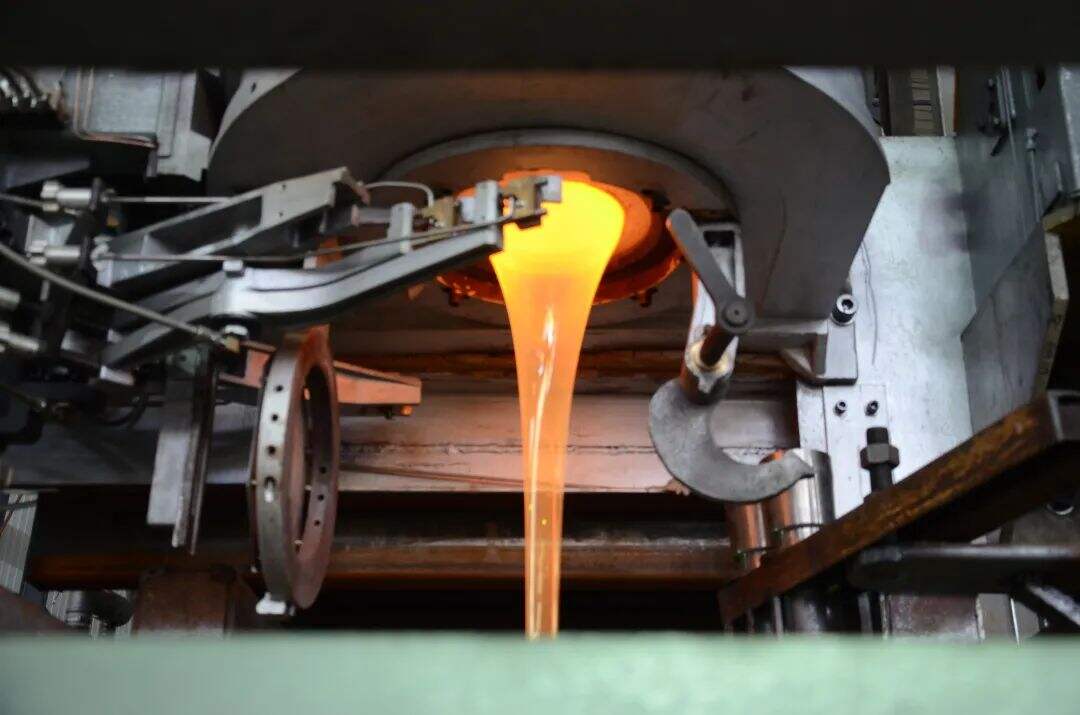
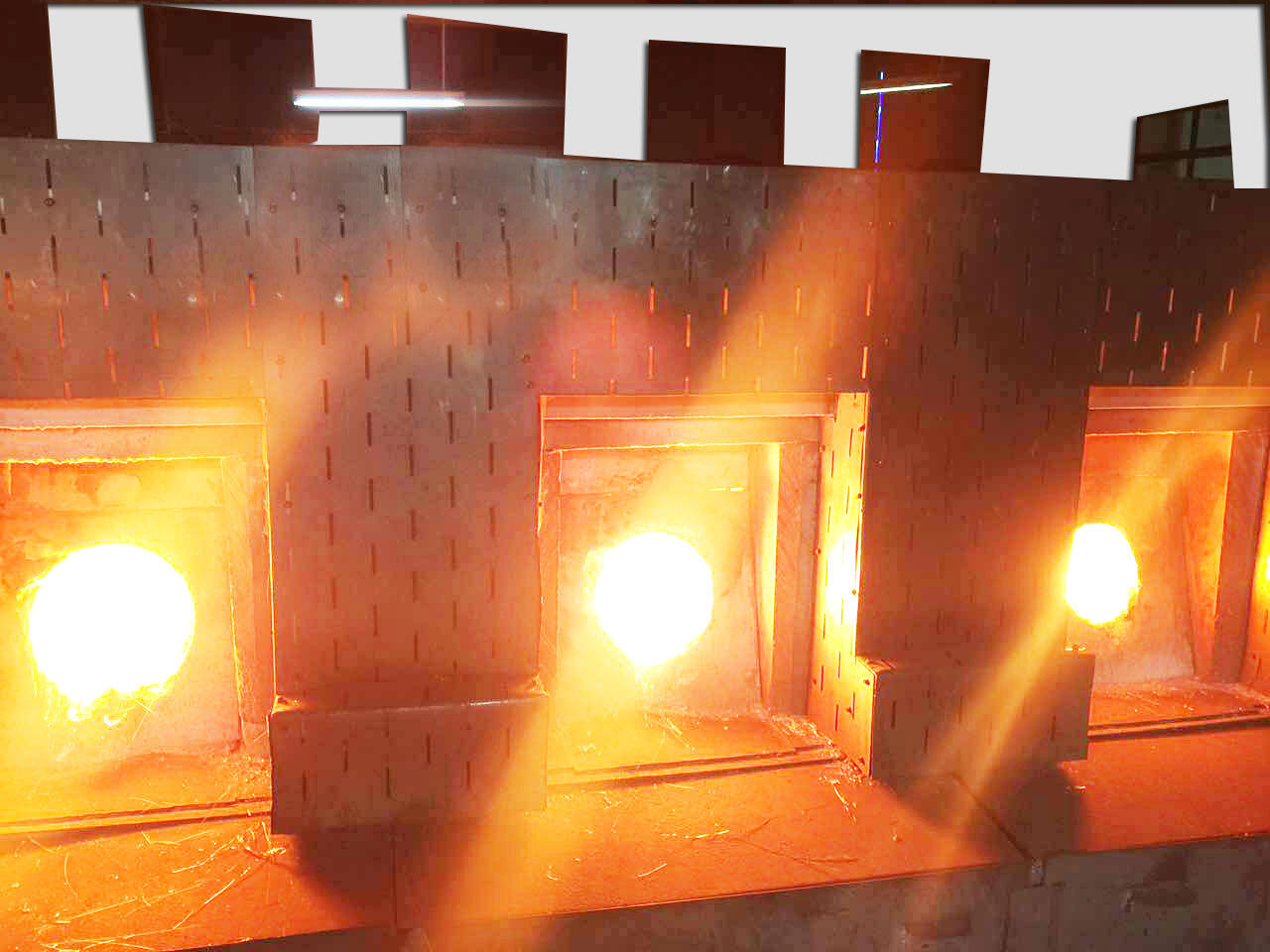
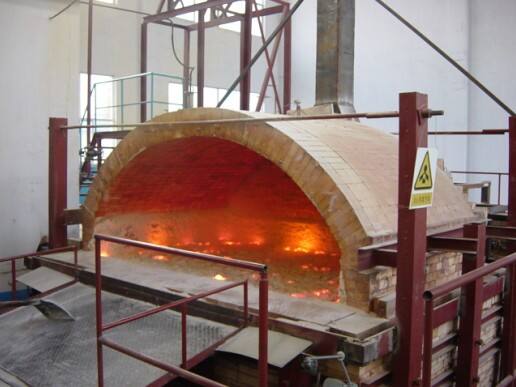
A small glass furnace represents a compact yet powerful heating solution designed specifically for melting, forming, and processing glass materials on a smaller scale compared to industrial operations. This specialized equipment serves as an essential tool for artisans, researchers, educational institutions, and small-scale manufacturers who require precise temperature control and reliable performance for their glass-working projects. The small glass furnace operates by generating controlled heat within an insulated chamber, reaching temperatures that typically range from 1000 to 1600 degrees Celsius, depending on the model and intended application. The main functions of a small glass furnace include melting raw glass materials, annealing finished glass products to relieve internal stresses, fusing multiple glass pieces together, and slumping glass into molds for creative designs. These furnaces incorporate advanced heating elements, usually made from high-quality alloys or silicon carbide, which ensure even heat distribution throughout the chamber. The technological features of modern small glass furnace units include programmable digital controllers that allow users to set precise temperature ramps and hold times, creating custom firing schedules for different projects. Many models feature ceramic fiber insulation that maximizes energy efficiency while maintaining stable internal temperatures. The chamber construction typically uses durable refractory materials capable of withstanding repeated thermal cycling without degradation. Applications for the small glass furnace span across multiple fields, including artistic glass creation where sculptors and designers craft unique decorative pieces, jewelry making where precision heating enables intricate detail work, scientific research where controlled experiments require exact temperature parameters, and educational settings where students learn fundamental glass-working techniques. Small production facilities also utilize these furnaces for prototyping new designs or producing limited-edition glassware. The versatility of the small glass furnace makes it invaluable for anyone working with glass who needs professional results without the space requirements or operating costs associated with large industrial furnaces.

New Product Releases

Choosing a small glass furnace for your glass-working needs brings numerous practical benefits that directly impact your productivity, budget, and creative freedom. The compact size of these units means you can set up a professional glass-working operation in spaces where large industrial equipment simply would not fit, such as home studios, small workshops, educational classrooms, or research laboratories. This space efficiency does not compromise performance, as modern small glass furnace models deliver the same temperature ranges and control precision as their larger counterparts. Energy efficiency stands out as a major advantage, with smaller chamber volumes requiring significantly less power to reach and maintain operating temperatures. This translates to lower electricity bills month after month, making glass working more economically sustainable for independent artists and small businesses. The reduced energy consumption also means these furnaces heat up faster, allowing you to start projects sooner and complete firing cycles more quickly. Cost savings extend beyond energy usage to the initial purchase price, as a small glass furnace typically costs a fraction of what industrial models demand, lowering the barrier to entry for aspiring glass artists and entrepreneurs. Maintenance becomes simpler and more affordable with smaller units, as replacement heating elements and other components cost less and installation requires less technical expertise. The user-friendly nature of modern small glass furnace designs empowers beginners to achieve professional results through intuitive digital controls that eliminate guesswork from temperature management. Programmable features let you save successful firing schedules for repeated use, ensuring consistent quality across multiple projects. Safety features built into quality small glass furnace models protect operators through automatic shut-off systems, over-temperature alerts, and well-insulated exteriors that remain cool to the touch even during operation. Portability offers another practical advantage, as many small glass furnace units can be relocated if you move your studio or need to transport equipment to demonstrations or teaching events. The reduced thermal mass means these furnaces cool down more quickly after use, allowing you to open the chamber and retrieve finished pieces sooner. This faster turnaround time increases your overall productivity, enabling you to complete more projects within the same timeframe. Flexibility in application means your investment serves multiple purposes, from annealing and fusing to slumping and kiln-forming, maximizing the return on your equipment purchase. Environmental responsibility comes naturally with a small glass furnace, as lower energy consumption reduces your carbon footprint while still enabling you to pursue your artistic or commercial glass-working goals.

Latest News

What Safety Features Should Be Built into a Glass Sorting System?

24

Sep

What Safety Features Should Be Built into a Glass Sorting System?

Essential Safety Components for Modern Glass Processing Systems Glass sorting systems are vital components in recycling facilities and glass manufacturing plants, where efficiency must be perfectly balanced with worker protection. These sophisticated...
View More
What Are the Future Trends in Intelligent Glass Sorting Systems?

24

Sep

What Are the Future Trends in Intelligent Glass Sorting Systems?

The Evolution of Advanced Glass Sorting Technology The landscape of glass recycling and processing is undergoing a remarkable transformation through intelligent glass sorting systems. These sophisticated technologies are revolutionizing how we handle...
View More
Why Are Glass Drilling Machines Vital in Automotive and Construction Industries?

28

Oct

Why Are Glass Drilling Machines Vital in Automotive and Construction Industries?

The Evolution of Glass Processing Technology in Modern Industries The landscape of industrial manufacturing has been transformed by the advent of sophisticated glass drilling machines, revolutionizing how we process and manipulate glass materials. Th...
View More
How to Select the Right Hub Glass Furnace for Your Facility?

24

Nov

How to Select the Right Hub Glass Furnace for Your Facility?

Selecting the appropriate hub glass furnace for your manufacturing facility represents one of the most critical decisions that will impact your production efficiency, product quality, and long-term operational costs. A hub glass furnace serves as the...
View More

Get a Free Quote

Our representative will contact you soon.
Email
Name
Company Name
Message
0/1000

small glass furnace

Precision Temperature Control for Consistent Results

Precision Temperature Control for Consistent Results

The advanced temperature control system integrated into modern small glass furnace designs represents one of the most valuable features for anyone serious about glass working. Unlike basic heating equipment that relies on manual adjustment and guesswork, these sophisticated units employ digital controllers with microprocessor technology that monitors and adjusts heating elements hundreds of times per minute. This constant feedback loop ensures that internal chamber temperatures remain stable within extremely narrow tolerances, typically plus or minus just a few degrees from your target setting. For glass artists and manufacturers, this precision proves critical because different glass types and techniques require specific temperature profiles to achieve desired results. Fusing projects demand exact temperatures to melt glass pieces together without causing deformation or bubbles, while annealing processes require carefully controlled cooling rates to eliminate internal stresses that could cause cracking. The programmable nature of small glass furnace controllers allows you to create multi-segment firing schedules that automatically adjust temperatures at predetermined intervals throughout your project. You might program an initial ramp to slowly heat the glass, a hold period at peak temperature for thorough heat work, followed by a controlled cool-down phase with specific rates for different temperature ranges. Once programmed, these schedules save to memory for future use, eliminating the need to manually recreate successful firing profiles. This repeatability becomes invaluable when producing multiple pieces that must match in quality and appearance, such as jewelry components or commissioned artwork. The precision control also reduces material waste by minimizing firing failures caused by temperature inconsistencies. When every firing produces predictable results, you spend less money replacing ruined glass and more time creating saleable work. Advanced small glass furnace models include features like thermocouple sensors positioned strategically within the chamber to measure actual glass temperature rather than just air temperature, providing even more accurate control. Display screens show real-time temperature readings, remaining program time, and current segment information, keeping you informed throughout the firing process. Some units offer connectivity options that let you monitor and adjust firing schedules remotely through smartphone applications, adding convenience for busy professionals managing multiple projects simultaneously.
Exceptional Energy Efficiency Reducing Operating Costs

Exceptional Energy Efficiency Reducing Operating Costs

Energy efficiency stands as a defining characteristic that sets modern small glass furnace equipment apart from older or larger alternatives, delivering substantial financial benefits throughout the lifespan of your equipment. The engineering behind these efficient designs begins with advanced insulation materials, particularly ceramic fiber blankets and boards that provide superior thermal resistance compared to traditional brick construction. These lightweight insulation layers trap heat within the chamber while preventing it from escaping through the walls, floor, and lid of your small glass furnace. The result is that heating elements need to work less intensively to maintain target temperatures, directly reducing electrical consumption. Compact chamber dimensions further enhance efficiency because smaller volumes require less total energy to heat, with the added benefit of faster heating and cooling cycles. Where an industrial furnace might take several hours to reach working temperature, a well-designed small glass furnace can be ready for use in 30 to 60 minutes, saving both time and electricity. The heating elements themselves incorporate modern materials and designs that convert electrical energy to heat more effectively, with some premium models achieving efficiency ratings exceeding 90 percent. Strategic element placement ensures even heat distribution without hot spots that would require excessive power to overcome, while precisely calibrated power delivery systems supply only the energy necessary to maintain programmed temperatures. Automated control systems contribute to efficiency by preventing temperature overshoot, a common problem with manual controls where excess heating wastes energy and potentially damages glass projects. The programmable controllers in a quality small glass furnace monitor temperature trends and adjust power output proactively, maintaining stability without the constant on-off cycling that increases wear on components and energy consumption. For artists and small businesses operating on tight budgets, these efficiency features translate to meaningful cost savings that accumulate with each firing. Lower energy bills improve profit margins on sold work or free up funds for purchasing better glass materials and expanding creative possibilities. Environmental consciousness also motivates many glass workers to choose efficient small glass furnace models, as reduced energy consumption means a smaller carbon footprint for your artistic or manufacturing activities. The combination of lower operating costs and environmental responsibility makes efficient small glass furnace equipment an investment that pays dividends both financially and ethically throughout years of reliable service.
Versatile Applications Supporting Multiple Glass-Working Techniques

Versatile Applications Supporting Multiple Glass-Working Techniques

The remarkable versatility of a well-designed small glass furnace enables it to support virtually every common glass-working technique, making it an exceptionally valuable tool that serves multiple purposes within your studio or workshop. This multi-functionality eliminates the need to purchase separate specialized equipment for different processes, representing significant savings in both initial investment and ongoing space requirements. Annealing, one of the most critical processes in glass working, becomes straightforward with a small glass furnace equipped with proper temperature control. After creating a glass piece through blowing, casting, or other hot-working methods, controlled annealing in your furnace relieves internal stresses that develop during cooling, preventing spontaneous cracking that would ruin hours of careful work. The programmable controller lets you set the precise annealing temperature appropriate for your specific glass type, then gradually reduce temperature at the optimal rate for complete stress relief. Fusing techniques transform your small glass furnace into a creative powerhouse where you can combine multiple pieces of compatible glass into unified artworks. By arranging cut glass shapes, frits, and stringers on a prepared kiln shelf, then firing to specific temperatures, you achieve everything from subtle tack fusing that preserves texture to full fusing that creates smooth, uniform surfaces. The controlled environment within your small glass furnace ensures even heating across your entire project, preventing the uneven melting that produces disappointing results. Slumping applications allow you to drape heated glass over or into molds, creating dimensional forms like bowls, plates, and sculptural elements. The precise temperature control of your small glass furnace lets you soften glass to the exact consistency needed for clean slumping without excessive distortion or mold marking. Kiln-forming techniques including pattern bars, combing, and glass painting all become possible with appropriate accessories and the reliable heating your small glass furnace provides. Educational applications benefit tremendously from this versatility, as a single small glass furnace allows instructors to demonstrate multiple techniques without maintaining a full equipment inventory. Research facilities similarly appreciate equipment that supports varied experimental protocols within controlled conditions. Small-scale manufacturers leverage versatility to prototype new designs, test different glass combinations, and produce limited runs of specialized products without dedicating separate equipment to each process. The adaptability of your small glass furnace grows further when you consider compatibility with various accessories like fiber shelves, casting molds, and specialized kiln furniture that expand creative possibilities without requiring equipment replacement.