Automatic Glass Cutter: Precision Cutting Solutions for Modern Glass Fabrication

All Categories

Get a Free Quote

Our representative will contact you soon.
Email
Name
Company Name
Message
0/1000

automatic glass cutter

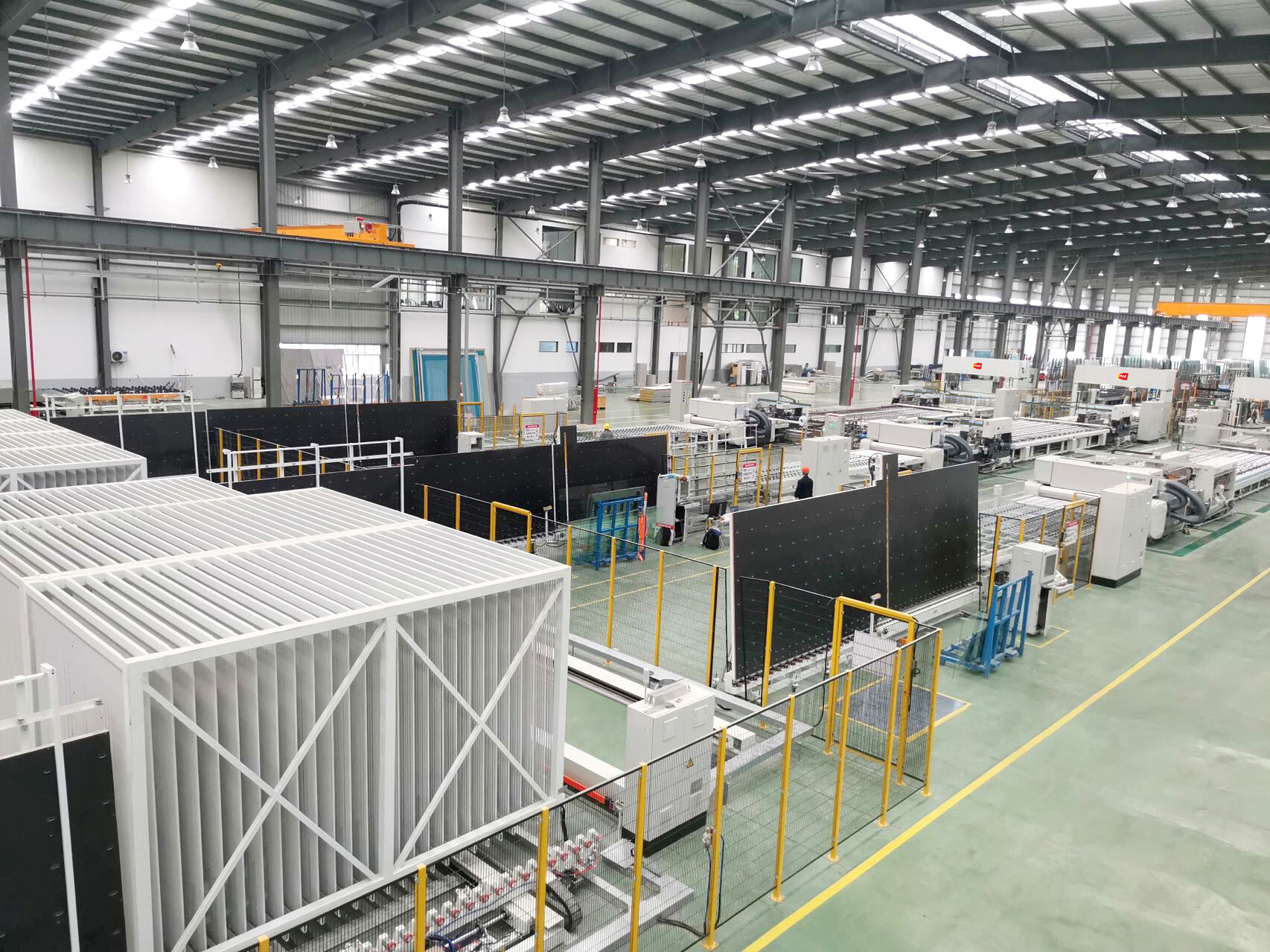
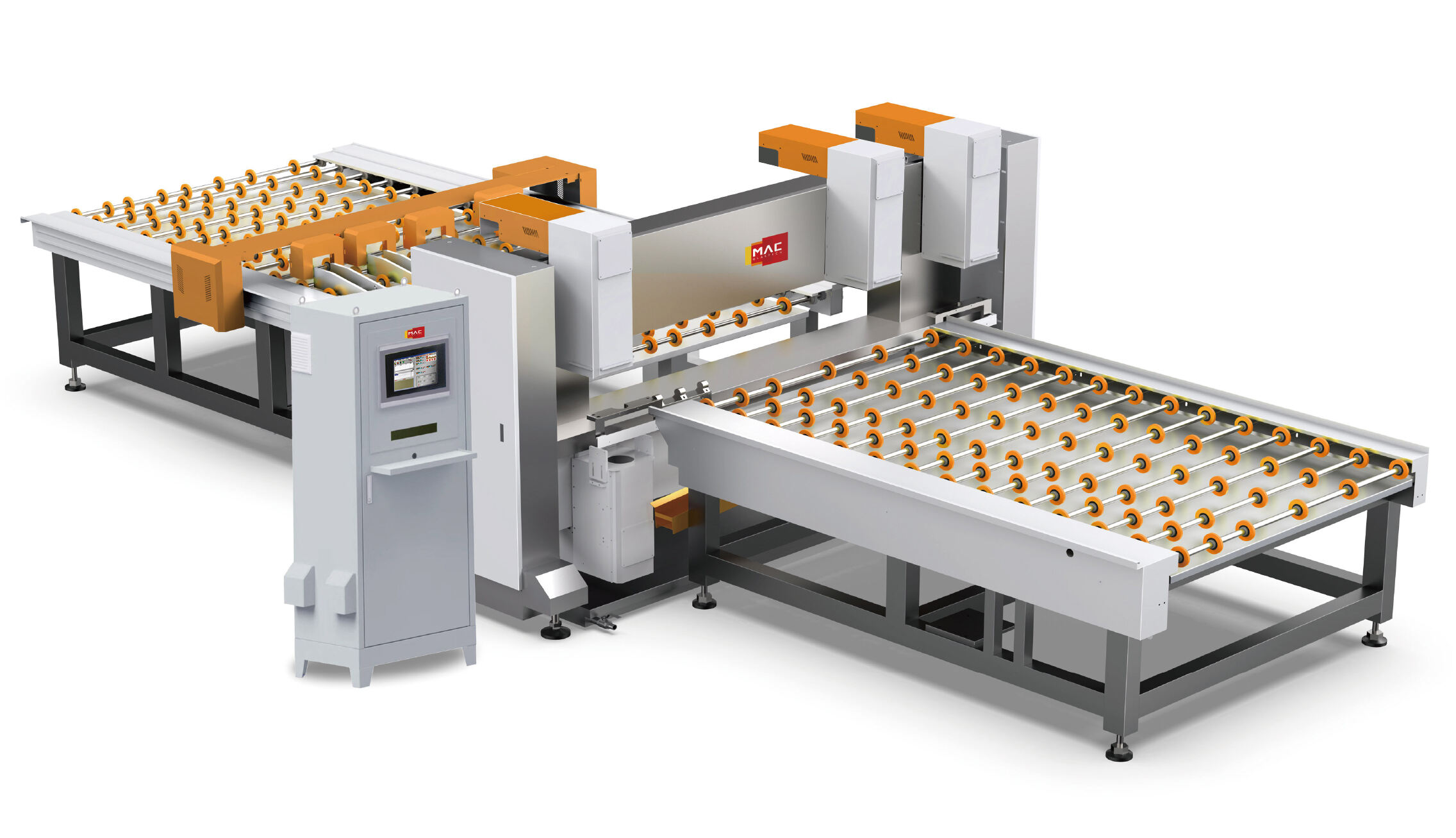
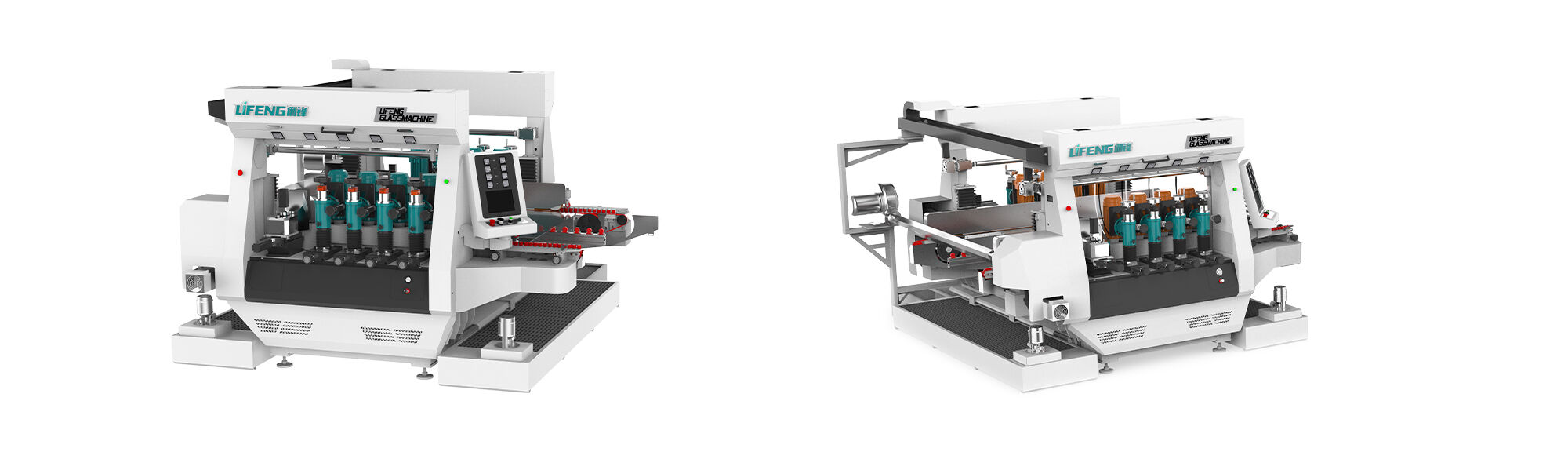
The automatic glass cutter represents a revolutionary advancement in glass processing technology, transforming how manufacturers and fabricators approach precision cutting tasks. This sophisticated equipment combines computer-controlled automation with mechanical precision to deliver consistent, accurate cuts across various glass types and thicknesses. An automatic glass cutter streamlines production workflows by eliminating manual measuring and cutting processes, replacing them with programmable digital systems that ensure repeatability and quality. The machine typically features a robust frame structure, precision cutting head, computerized control system, and specialized software that allows operators to input exact specifications for each project. Modern automatic glass cutter systems utilize advanced sensors and positioning technologies to detect glass dimensions automatically, reducing setup time and human error. These machines can handle straight cuts, shaped cuts, and complex patterns with equal efficiency, making them indispensable for architectural glass fabrication, automotive glass production, furniture manufacturing, and decorative glass applications. The cutting mechanism employs diamond-tipped or carbide wheels that score the glass surface along predetermined paths, followed by precision breaking systems that separate pieces cleanly. Many automatic glass cutter models incorporate additional features such as edge deletion, automatic oil lubrication, waste removal systems, and integrated quality control sensors. The technology accommodates various glass types including float glass, tempered glass, laminated glass, and specialty coated materials. Production capacity varies by model, with industrial units capable of processing dozens of sheets per hour while maintaining tolerances within fractions of a millimeter. The automatic glass cutter integrates seamlessly with other manufacturing equipment, often connecting to optimization software that maximizes material utilization and minimizes waste. This integration capability extends to inventory management systems and production scheduling platforms, creating comprehensive manufacturing solutions. The equipment operates through intuitive interfaces that require minimal training, allowing operators to program complex cutting patterns quickly and modify parameters in real-time as production needs change.

New Product Releases

Investing in an automatic glass cutter delivers substantial operational benefits that directly impact your bottom line and competitive positioning. First and foremost, these machines dramatically increase production speed compared to manual cutting methods. Where skilled workers might complete several cuts per hour, an automatic glass cutter processes dozens of pieces in the same timeframe, multiplying output without compromising quality. This speed advantage translates directly into faster order fulfillment and increased capacity to accept more projects. Precision stands as another critical benefit, with automated systems achieving cutting accuracies that human operators simply cannot match consistently. The automatic glass cutter maintains tolerances within 0.1 millimeters across thousands of cuts, eliminating dimensional variations that lead to fitting problems and customer complaints. This precision reduces waste significantly, as fewer pieces require rework or disposal due to cutting errors. Material savings alone often justify the equipment investment within months of operation. Labor cost reduction represents a substantial advantage, as one operator can manage an automatic glass cutter that replaces multiple manual cutters. This efficiency allows businesses to reallocate skilled workers to higher-value tasks while reducing payroll expenses. Worker safety improves considerably when adopting automated cutting technology. Manual glass cutting exposes workers to sharp edges, repetitive strain injuries, and fatigue-related accidents. The automatic glass cutter contains cutting operations within guarded zones and handles glass movement mechanically, minimizing injury risks. Consistency across production runs ensures that every piece meets specifications regardless of operator experience or fatigue levels. This reliability builds customer confidence and reduces quality complaints. The machines also optimize material usage through sophisticated nesting software that arranges cuts to minimize waste, often achieving utilization rates exceeding 90 percent. Flexibility proves valuable as production requirements change, with automatic glass cutter systems easily reprogrammed for different products without retooling or significant downtime. Data collection capabilities provide insights into production efficiency, maintenance needs, and quality trends, enabling continuous improvement initiatives. The technology also reduces environmental impact by minimizing waste generation and optimizing energy consumption compared to manual operations. Return on investment typically occurs within one to three years depending on production volume, with ongoing savings accumulating thereafter. Businesses gain competitive advantages through faster turnaround times, superior quality, and the ability to handle complex projects that manual methods cannot accommodate efficiently.

Latest News

What Safety Features Should Be Built into a Glass Sorting System?

24

Sep

What Safety Features Should Be Built into a Glass Sorting System?

Essential Safety Components for Modern Glass Processing Systems Glass sorting systems are vital components in recycling facilities and glass manufacturing plants, where efficiency must be perfectly balanced with worker protection. These sophisticated...
View More
Why Are Glass Drilling Machines Vital in Automotive and Construction Industries?

28

Oct

Why Are Glass Drilling Machines Vital in Automotive and Construction Industries?

The Evolution of Glass Processing Technology in Modern Industries The landscape of industrial manufacturing has been transformed by the advent of sophisticated glass drilling machines, revolutionizing how we process and manipulate glass materials. Th...
View More
How Do Glass Drilling Machines Handle Different Glass Thicknesses Safely?

28

Oct

How Do Glass Drilling Machines Handle Different Glass Thicknesses Safely?

Understanding Modern Glass Drilling Technology and Safety Mechanisms The world of glass fabrication has evolved significantly with the introduction of advanced glass drilling machines that can handle various glass thicknesses with remarkable precisio...
View More
How to Optimize Production Settings in a Hub Glass Furnace?

24

Nov

How to Optimize Production Settings in a Hub Glass Furnace?

Glass manufacturing represents one of the most energy-intensive industrial processes, requiring precise control of temperature, atmosphere, and raw material flow to achieve optimal production efficiency. Modern hub glass furnace systems have evolved ...
View More

Get a Free Quote

Our representative will contact you soon.
Email
Name
Company Name
Message
0/1000

automatic glass cutter

Advanced Precision Engineering for Flawless Results

Advanced Precision Engineering for Flawless Results

The automatic glass cutter incorporates precision engineering technologies that set new standards for cutting accuracy and consistency in glass fabrication. At its core, the system employs linear motion guides with hardened steel rails and precision ball bearings that eliminate play and vibration during cutting operations. These mechanical components work in concert with servo motors that provide exact positioning control, moving the cutting head along programmed paths with micron-level accuracy. The cutting tool itself features diamond-tipped or tungsten carbide wheels specifically engineered for different glass types and thicknesses, ensuring optimal scoring depth and clean break lines. Advanced pressure control systems automatically adjust cutting force based on material characteristics, preventing both incomplete scores and excessive pressure that could cause unwanted fractures. Position feedback sensors continuously monitor cutting head location, comparing actual position against programmed coordinates and making real-time corrections to maintain path accuracy. This closed-loop control system ensures that even complex curved cuts and intricate patterns replicate perfectly across multiple production runs. The automatic glass cutter utilizes high-resolution measurement systems that detect glass dimensions and surface characteristics before cutting begins, automatically adjusting parameters to accommodate variations in material properties. Temperature compensation algorithms account for thermal expansion in machine components, maintaining dimensional accuracy even as operating temperatures fluctuate throughout production shifts. Vibration damping technologies isolate the cutting mechanism from external disturbances, preserving precision even in busy manufacturing environments. The breaking mechanism incorporates precisely timed pneumatic or mechanical systems that apply controlled force along score lines, producing clean separations without edge chips or micro-cracks that compromise structural integrity. Quality verification sensors examine each cut immediately after completion, identifying dimensional deviations or surface defects before pieces advance to subsequent operations. This immediate feedback prevents defective pieces from progressing through production, reducing waste and rework costs. Precision benefits extend beyond dimensional accuracy to include edge quality, with properly executed cuts requiring minimal grinding or polishing before assembly. The cumulative effect of these engineering refinements means that businesses using automatic glass cutter technology can guarantee dimensional specifications that manual methods simply cannot achieve reliably, opening opportunities in demanding applications where tolerances are critical.
Intelligent Software Integration for Maximum Efficiency

Intelligent Software Integration for Maximum Efficiency

Modern automatic glass cutter systems distinguish themselves through sophisticated software platforms that optimize every aspect of the cutting process from design input through final production. The control software accepts files from common CAD programs, eliminating manual data entry and the errors it introduces. Designers create cutting layouts on screen, visualizing how pieces nest together on raw glass sheets before committing to production. Advanced optimization algorithms analyze cutting requirements and automatically arrange pieces to maximize material utilization, often discovering configurations that human planners overlook. These nesting routines consider factors including grain direction when relevant, edge quality requirements, and minimum distance rules between cuts. The software generates cutting sequences that minimize tool path length and reduce non-productive movements, directly increasing throughput. Operators interact with the automatic glass cutter through intuitive touchscreen interfaces that display real-time production status, including pieces completed, cycle times, and material consumption. The system stores unlimited cutting patterns in memory, allowing instant recall of frequently used designs without reprogramming. Recipe management functions save all parameters associated with specific glass types or products, ensuring consistency when switching between different materials or customer orders. The software maintains detailed production logs that track every cut, recording timestamps, operator identifications, material batches, and quality measurements. This data supports traceability requirements and provides analytics for identifying efficiency improvement opportunities. Predictive maintenance algorithms monitor component wear patterns and operating hours, scheduling service interventions before breakdowns occur. Integration capabilities extend beyond the automatic glass cutter itself to connect with enterprise resource planning systems, automatically updating inventory levels as material consumption occurs and triggering reorder processes when stocks reach predetermined thresholds. Production scheduling modules coordinate cutting operations with downstream processes, ensuring steady workflow without bottlenecks or idle time. Remote monitoring capabilities allow supervisors and technicians to observe machine status from mobile devices, responding quickly to alerts or production issues. Software updates delivered over network connections continuously enhance functionality without requiring hardware modifications. Simulation modes let operators test new cutting patterns virtually before running actual production, verifying that programs execute correctly and identifying potential problems. The software also manages tool life, tracking cutting wheel usage and prompting replacement at optimal intervals to maintain quality while maximizing wheel utilization. This intelligent software ecosystem transforms the automatic glass cutter from a simple cutting machine into a comprehensive production management platform that drives efficiency across the entire operation.
Versatile Application Capability Across Industries

Versatile Application Capability Across Industries

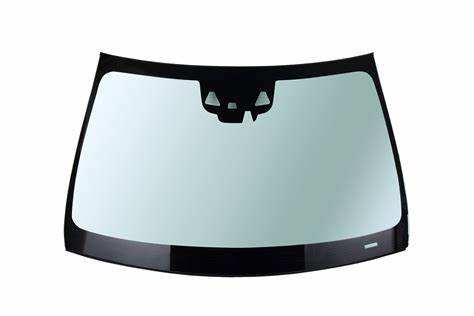
The automatic glass cutter demonstrates remarkable versatility, adapting to diverse applications across multiple industries with requirements ranging from basic rectangular cuts to complex artistic patterns. In architectural glass fabrication, these machines process large format panels for building facades, curtain walls, and interior partitions, handling oversized sheets that manual methods struggle to accommodate. The precision capabilities prove essential for projects where glass pieces must align perfectly within metal framing systems, eliminating gaps and ensuring weather-tight installations. Automotive glass production relies heavily on automatic glass cutter technology to produce windshields, side windows, and rear glass components that meet strict dimensional and optical quality standards. The machines cut both flat glass that will undergo subsequent tempering and shaping processes, as well as laminated assemblies where precision affects both fit and safety performance. Furniture manufacturers employ automatic glass cutter systems to produce tabletops, cabinet doors, shelving, and decorative elements in various shapes and sizes. The ability to program intricate edge profiles and cutouts for hardware mounting expands design possibilities while maintaining production efficiency. In the electronics industry, specialized automatic glass cutter models process thin cover glass for displays, touchscreens, and optical components where scratches or edge defects would render products unusable. The controlled cutting environment and precision breaking mechanisms prevent contamination and damage that manual handling might introduce. Solar panel manufacturing utilizes automatic glass cutter technology to process protective glass covers in high volumes with consistent quality, contributing to renewable energy production capacity. Decorative glass applications including mirrors, art glass, and specialty products benefit from the machine's ability to execute complex cutting patterns that would be prohibitively time-consuming or impossible through manual methods. The automatic glass cutter accommodates various glass thicknesses typically ranging from 2mm to 19mm, with specialized models handling even thinner or thicker materials. Coating compatibility extends capability to process low-emissivity glass, reflective coatings, and other surface treatments without damaging functional layers. The machines adapt to different production scales, with compact models suitable for custom fabrication shops processing dozens of pieces daily, while industrial systems serve high-volume manufacturers producing thousands of cuts per shift. Quick changeover capabilities allow businesses to switch between different products efficiently, supporting both large production runs and small batch custom orders. This application versatility means that automatic glass cutter technology delivers value across the entire glass industry spectrum, from small specialty shops to multinational manufacturers, providing consistent quality and efficiency regardless of specific use case.